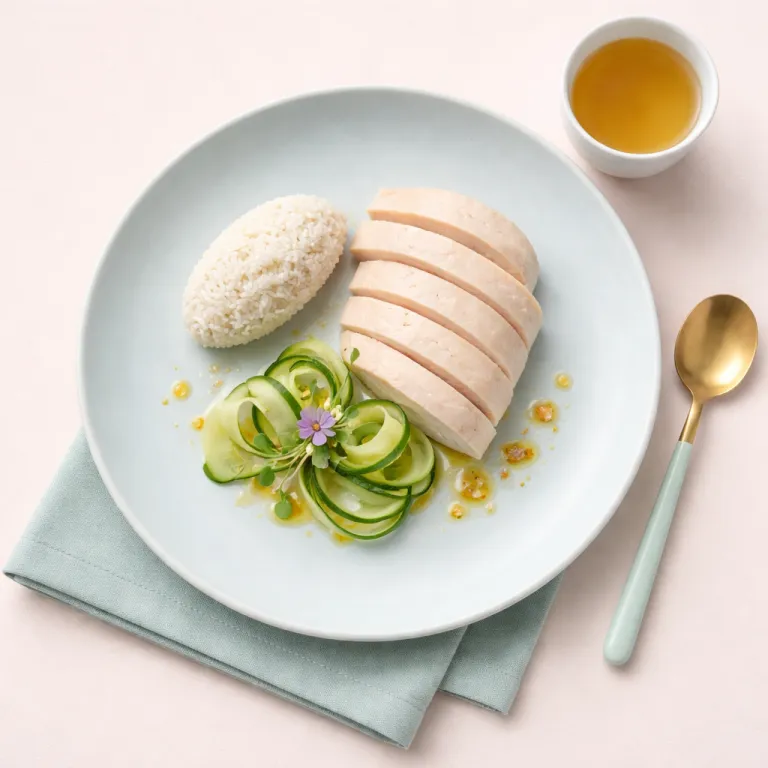
What modern Singaporean fine dining really means for hotel guests
Modern Singaporean fine dining is not a Western restaurant sprinkling sambal over a French sauce. It is a way of cooking in Singapore where the chef treats hawker street food, Peranakan heritage and Chinese home recipes with the same respect as a grand tasting menu in Paris. When you book a luxury hotel and ask the concierge for the best places to eat, you should expect names that understand this assignment rather than safe, generic international cuisine.
Across the city, many dining rooms inside five-star properties promise contemporary Asian flavours yet serve anonymous fusion food. A modern Singapore restaurant that matters starts with a clear point of view about local dishes, from chicken rice to laksa, and then uses fine technique to express that story on the plate. When you read any serious review of restaurants across Singapore, the places that stand out are those where the chef-owner can explain exactly which kopitiam, which hawker stall and which family kitchen inspired each dish.
For couples planning a stay through a premium booking website, this difference shapes the entire dining experience. A safe international hotel restaurant might be convenient after a long flight, but it will not be the meal you remember when you revisit Singapore in your memories. The properties that truly deliver modern Singaporean fine dining turn every course into a narrative about the city, connecting what you taste in the hotel lounge to what you will later queue for at a street food stall.
Labyrinth: the hawker heart of modern Singaporean fine dining
Labyrinth is the clearest example of a Singapore restaurant that understands modern Singaporean fine dining as a living conversation with the streets. Chef Han Li Guang takes the food of his childhood, from Hainanese chicken rice to chilli crab, and rebuilds each dish with fine dining precision without losing the soul of the original flavours. He has described his approach in interviews as “neo-Singaporean cuisine rooted in memory rather than fashion,” and the result is a dining experience that feels both nostalgic and radically contemporary, earning Labyrinth a place among Asia’s best restaurants.
Here, the tasting menu reads like a love letter to street food culture in Singapore, not a list of imported luxuries. One course might reinterpret chicken rice as a delicate claypot-style donabe with silky broth and compressed rice, while another turns a kopitiam breakfast into a playful sequence of kaya toast, soft egg and kopi-inspired bites that still taste like what locals eat every morning. When you sit in this dining room, couples notice that every plate is rooted in a specific stall, a specific neighbourhood and a specific memory, rather than in generic fine dining trends.
Labyrinth’s room is understated, so the focus stays on the cuisine and the story the chef is telling. For hotel guests used to grand chandeliers and heavy silverware, this feels almost modest, yet the Michelin-starred technique is evident in every sauce and garnish. If you are planning a romantic stay and already looking at refined Japanese options such as the Kan Sushi Singapore menu guide for refined travellers and hotel guests on our site, place Labyrinth alongside them as the essential modern Singaporean counterpoint.
Candlenut and the Peranakan argument for modernity
Candlenut approaches modern Singaporean fine dining from a different angle, grounding its cuisine in Peranakan recipes rather than hawker classics. The chef-owner treats dishes like ayam buah keluak and chap chye as heritage artefacts, then edits them with contemporary technique to create a menu that feels both ceremonial and intimate. This Michelin-starred restaurant shows that modernity in Singapore can mean deep respect for family tables as much as for street food.
Compared with Labyrinth, Candlenut’s dining room is warmer and more residential, which suits couples returning from a day at the National Gallery or Marina Bay. The tasting menu format is less theatrical but still structured, allowing you to move from lighter dishes to richer chicken or beef courses without losing the thread of the experience. When you read any serious review of Singapore restaurants for Peranakan cuisine, Candlenut consistently appears because it balances fine technique with generous portions and recognisable flavours, from gently spiced curries to slow-braised meats that taste like elevated home cooking.
For travellers staying in luxury hotels, Candlenut works beautifully at the start of a trip, framing what you will later taste in family-run eateries and casual dining spots across Singapore. It also offers an instructive contrast with international names like Odette at the National Gallery or Burnt Ends in Dempsey, where the focus leans more toward European or barbecue traditions. To understand how locals actually split a week of meals between hawker centres and Michelin addresses, our guide to hawker centres versus Michelin in Singapore explains why a night at Candlenut or Labyrinth should sit alongside at least one visit to a classic chicken rice stall.
Hotel fine dining that misses the modern Singaporean brief
Many luxury hotels in Singapore promote contemporary Asian cuisine yet quietly serve what is essentially Western food with chilli and lime. These venues often list a token chicken rice–inspired dish or a laksa pasta on the menu, but the rest of the plates could be served in any global city. For couples who booked a premium stay expecting modern Singaporean fine dining, the result feels polished yet strangely anonymous.
What these rooms miss is the specificity that defines the best restaurants in the city, from Labyrinth’s hawker tributes to Candlenut’s Peranakan feasts. A true modern Singapore restaurant should reference actual places, such as a stall in Tiong Bahru or a breakfast corner in Toa Payoh, rather than vague notions of Asian flavours. When a chef cannot tell you which street food vendor inspired a dish, the cuisine usually drifts into generic fusion territory that flatters international palates but says little about Singapore itself.
There are exceptions, of course, especially when hotels collaborate with established names like JAAN by Kirk Westaway or host pop-ups from restaurants that seasoned Singapore travellers already respect. Yet too many in-house concepts rely on imported truffles and wagyu instead of engaging with chicken rice, sambal stingray or kaya toast as worthy subjects for fine dining. Before you confirm a package on any booking website, read the restaurant descriptions carefully and prioritise properties that partner with serious chef-owners rather than anonymous culinary teams.
How to structure your stay around modern Singaporean tables
Planning a luxury trip to Singapore around food means treating modern Singaporean fine dining as one chapter in a larger story. Start by booking one dinner at Labyrinth or Candlenut early in your stay, so that the flavours and ideas frame everything you taste later in hawker centres and casual restaurants. When you then eat Singapore classics like chicken rice, satay or char kway teow at street food stalls, you will recognise how the fine dining versions echo and elevate those dishes.
On another night, consider a contrasting experience at a Michelin-starred European restaurant such as Odette at the National Gallery or Saint Pierre on the waterfront. These rooms are not modern Singaporean in the strict sense, yet they show how French technique and contemporary plating can coexist with local ingredients and a city-specific sensibility. A third evening might go to Burnt Ends or another grill-focused restaurant couples love in Singapore, where the energy is more casual but the cuisine still meets fine dining standards in terms of sourcing and execution.
Between these anchor meals, leave space for unplanned lunches at hawker centres and neighbourhood eateries that your concierge or taxi driver recommends. Our guide to Singapore’s finest luxury hotels for families includes properties whose teams are particularly strong at steering guests toward authentic food, even when the request is for the best chicken rice within ten minutes of the lobby. By the time you return to your hotel bar for a nightcap, the city’s flavours will feel coherent, from Michelin-starred counters to plastic stools.
Value, reservations and how to read the modern Singaporean scene
Fine dining in Singapore is not inexpensive, and couples should approach reservations with clear expectations about value. Industry reports and tourism data suggest that the average cost of a fine dining meal in the city is around 150 SGD per person, while tasting menus at top rooms such as Labyrinth, Candlenut, Odette or Burnt Ends often range between 200 and 400 SGD before wine. These figures are consistent with pricing reported by the Singapore Tourism Board and the Michelin Guide Singapore for upscale dining, and when you compare them with other global capitals, the positioning is competitive but still demands that each restaurant deliver a memorable experience rather than just polished service.
One way to assess value is to look at how deeply a restaurant engages with Singapore itself, rather than simply importing luxury ingredients and French techniques. A modern Singapore restaurant that builds its menu around chicken rice, laksa, sambal and other local dishes is more likely to feel unique than a dining room that could be transplanted to any hotel in London or Dubai. When you read a review, pay attention to whether the writer mentions specific hawker stalls, neighbourhoods or chef-owner stories, because these details signal a genuine connection to the city.
Reservations are essential at the best restaurants, especially those that are Michelin-starred or listed among Asia’s top addresses. The Michelin Guide Singapore currently recognises dozens of starred establishments across the island, including JAAN by Kirk Westaway for modern British cuisine and Waku Ghin for Japanese fine dining, which shows how seriously the city takes its dining scene. For hotel guests using a booking website, it is wise to secure at least one modern Singaporean fine dining reservation before arrival, then let your concierge fill in the rest of the week with more spontaneous options.
Key figures shaping modern Singaporean fine dining
- The Michelin Guide Singapore lists a substantial number of Michelin-starred restaurants across the island, a concentration that places the city among Asia’s most competitive fine dining markets. Recent editions highlight both modern Singaporean kitchens and internationally driven concepts.
- Tourism and hospitality data indicate an average cost of around 150 SGD per person for a fine dining meal, while top tasting menus in leading restaurants can reach 200 to 400 SGD, which aligns with pricing in other global luxury destinations according to Singapore Tourism Board spending reports.
- Recent international rankings such as Asia’s 50 Best Restaurants and La Liste have increased the number of Singapore entries, signalling growing recognition for both modern Singaporean and contemporary European cuisine and reinforcing the city’s status as a culinary hub.
- Fine dining establishments in the city increasingly emphasise sustainable sourcing and plant-based options, reflecting a broader shift in global luxury dining expectations and echoing sustainability priorities outlined in regional hospitality industry surveys.
FAQ about modern Singaporean fine dining for hotel guests
What is modern Singaporean cuisine in a fine dining context ?
Modern Singaporean cuisine in fine dining is a style where chefs fuse traditional local flavours with contemporary culinary techniques. It often reinterprets hawker classics, Peranakan dishes and home recipes using precise plating and seasonal ingredients. The goal is to express Singapore’s multicultural identity in a refined yet recognisable way.
Which fine dining restaurants in Singapore offer modern cuisine ?
Several leading restaurants in Singapore focus on modern cuisine, including JAAN by Kirk Westaway, Waku Ghin, Saint Pierre, Odette, Sommer and KOMA Singapore. Among these, Labyrinth and Candlenut are particularly committed to modern Singaporean narratives rooted in local dishes and memories. Hotel guests can ask concierges to prioritise these rooms when planning a culinary itinerary.
Do modern Singaporean fine dining restaurants require reservations ?
Yes, advance reservations are strongly recommended for modern Singaporean fine dining restaurants. Popular venues such as Labyrinth, Candlenut and Odette often book out weeks ahead, especially for weekend services and early evening slots. Using your hotel concierge or booking website tools can help secure preferred dates and seating times.
How should I time my modern Singaporean fine dining meals during a trip ?
Many travellers find it useful to book one modern Singaporean fine dining dinner early in the stay and another toward the end. The first meal frames what you will taste in hawker centres and casual eateries, while the final dinner ties together the flavours and experiences of the week. This structure works well for couples who want both reference-point meals and spontaneous street food adventures.
What is modern Singaporean cuisine ?
Modern Singaporean cuisine is a fusion of traditional Singaporean flavours with contemporary culinary techniques. This definition captures how chefs blend heritage recipes, local ingredients and global methods to create dishes that feel both rooted and forward looking. For hotel guests, it means that a single tasting menu can reflect the entire city on the plate.