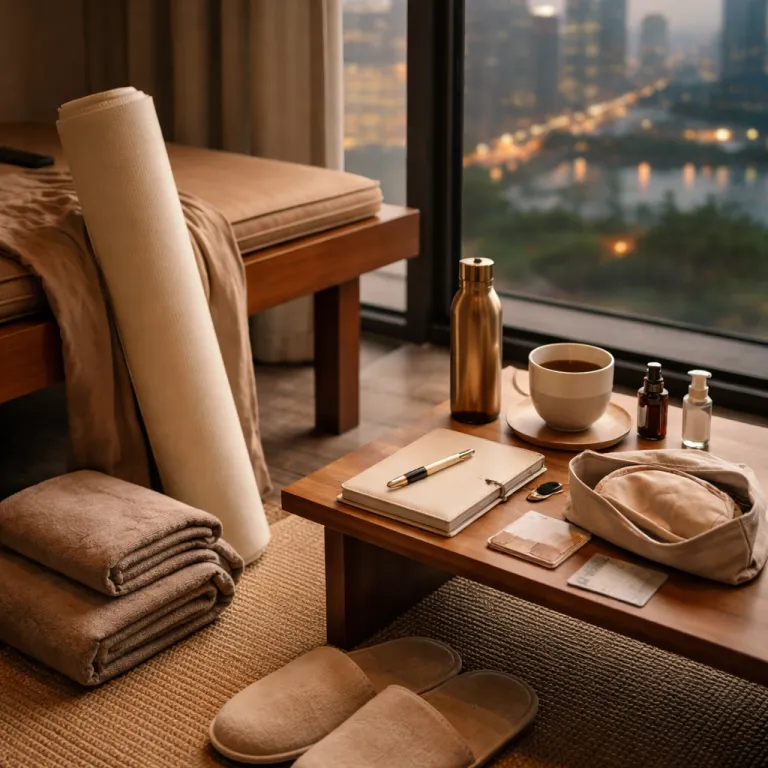
Why a wellness retreat in Singapore works better as a reset than an escape
Singapore looks like the last place for a wellness retreat, yet it quietly outperforms softer destinations when you need a precise reset. For the solo explorer who treats wellness retreats as performance maintenance rather than fantasy escape, the city’s structure, safety and clinical efficiency make a short wellness break in Singapore more effective than a languid fortnight in Bali. When your calendar only allows two or three retreats a year, you want every wellness day to move the needle on mind body balance, not just offer pretty sunsets.
The new wave of intention led travel is not about drifting but about designing wellness retreats that hard wire better habits into your daily life. In that context, a Singapore city stay becomes a controlled laboratory where you can test sleep protocols, nutrition strategies, spa treatments and fitness routines that you can replicate at home. You are not melting into the background; you are using the retreat city as a precision tool to recalibrate body mind patterns before stepping straight back into demanding work.
Think of Bali or Phuket Thailand as wellness escapes, where the goal is to forget your inbox, while Singapore wellness stays operate as resets, where the goal is to renegotiate your relationship with that inbox. A four night programme in the city forces choices: you schedule yoga, spa treatments, forest therapy and medical check ups with the same discipline you apply to board meetings. That intensity, combined with calm public transport, clean air management and a compact city centre, creates a retreat Singapore experience that is short, sharp and surprisingly sustainable.
Slow travel here does not mean doing less; it means doing with intention. The city’s wellness retreats are built around structured days that might start with a forest walk, move into contrast therapy, then end with a sleep focused program in a luxury hotel. This rhythm lets guests feel the contrast between stimulation and stillness, which is where holistic wellness actually embeds itself into the nervous system.
Pan Pacific Orchard Singapore has leaned into this philosophy with terraces of tropical greenery stacked above Orchard Road and sleep centric programs that dim the city’s noise without pretending it does not exist. You can book a wellness retreat package that pairs late check out with guided breathing, in room stretching and access to spa treatments designed around circadian support. For many guests, this kind of urban reset feels more honest than a remote island stay, because it teaches you to regulate mind body responses while the city hums just beyond the glass. As one recent guest, Maya L., put it in a 2024 post stay survey, “I didn’t escape my life here; I learned how to live it with a calmer nervous system.”
Outside the hotel, the city’s green spine reinforces the reset narrative. According to Singapore’s National Parks Board, around 7.8% of land is designated as nature reserves and nature parks, with overall greenery covering close to half the island’s land area as of 2023, so you can step from a high floor suite into a park connector within minutes and feel the nervous system drop a gear. That density of accessible nature is what turns a retreat city break into a year round wellness tool, not just a once in a decade indulgence.
Designing a four night Singapore wellness reset that actually changes your habits
The most effective wellness retreats for high performing travelers are short, structured and repeatable. In Singapore, a four or five night stay gives you enough time to run a full body mind systems check without drifting into the complacency that often appears during longer retreats. By the third day, you are already testing which rituals you will keep once you leave the city centre and return to your normal environment.
A typical reset sequence might start with Gentle Walks, a local programme offering forest therapy walks that use breathing, silence and sensory prompts to calm the nervous system. These guided sessions turn Singapore’s parks into open air treatment rooms, giving guests a powerful wellness experience that feels both urban and deeply natural. When you layer this with a stay at Pan Pacific Orchard Singapore, the wellness retreat becomes a continuous loop between greenery, water and restorative sleep.
On another day, you could book HousePlus Singapore for urban bathing, moving between warm pools and cool plunges that echo the contrast therapy trend seen in destinations like Phuket Thailand or other Asian wellness circuits. REVA Social Wellness then adds ice baths, hot pools and sauna, creating a full mind body reset that rivals more remote shambhala style estates. These experiences show how a wellness retreat in Singapore can compress what used to require a long haul trip to a shambhala estate in Thailand or a castello del Nero style spa in Tuscany.
Slow travel here is about depth, not distance. You might spend an entire day within a two kilometre radius, rotating between yoga sessions, spa treatments, light hawker lunches and an early night under blackout curtains. That proximity means less time in transit and more time in actual wellness retreats activities, which is exactly what a time poor executive needs.
Medical integration is where Singapore quietly outclasses classic yoga retreats in Bali or Phuket. You can schedule a comprehensive health check in the morning, then move straight into spa treatments or fitness coaching in the afternoon, with all results explained clearly and actionably. Typical assessments at major clinics such as Raffles Medical Group or Parkway Shenton range from basic blood panels and cardiovascular screening to sleep quality consultations, giving you concrete data to pair with your retreat experience. This fusion of clinical data and holistic wellness practices turns a retreat Singapore stay into a strategic investment rather than a vague promise of relaxation.
For solo explorers, the city’s safety and efficiency remove friction from the wellness retreat Singapore equation. You can walk back from an evening yoga class, stop at a hawker centre for a clean, flavourful meal and still be in bed early enough to respect your sleep protocol. That sense of control is what makes these wellness retreats feel empowering rather than escapist.
From COMO Shambhala to shophouse saunas: how global wellness DNA lands in Singapore
Luxury travelers often benchmark wellness retreats against icons like COMO Shambhala Estate in Ubud or the COMO Shambhala wing at Castello del Nero in Tuscany. Those properties set the standard for holistic wellness, with integrated programmes that address nutrition, movement and emotional health over extended stays. Singapore does not try to copy that model; instead, it distils the COMO Shambhala philosophy into urban formats that fit a long weekend.
At the COMO properties in the region, from Phuket Thailand to the Maldives, the emphasis is on year round programmes that blend yoga, spa treatments and tailored fitness. In Singapore, that same COMO Shambhala approach appears in curated yoga retreats, targeted spa treatments and menus that respect both body and palate. You feel the same mind body intelligence, but expressed through a city lens rather than a jungle one.
Shambhala Singapore is not a single estate but a network of experiences that echo the shambhala estate ethos in an urban grid. You might start the day with a yoga class influenced by COMO Shambhala teachers, then move to a spa that uses similar body treatments and breathwork techniques. By night, you are eating at a restaurant where the chef understands that wellness does not mean giving up laksa, just rebalancing portion, spice and timing.
Regional context matters here. Hong Kong has its own version of the urban retreat city, with skyscraper spas and harbour facing yoga studios, but Singapore wellness culture leans more heavily on green corridors and outdoor movement. That difference makes a wellness retreat in Singapore feel less vertical and more grounded, even when you are staying in a high rise hotel above Orchard Road. Guests who have done both cities often report that Singapore’s parks and waterfronts make it easier to maintain body mind equilibrium during short retreats.
For travelers who know the COMO, Shambhala and del Nero universes, Singapore becomes another node in a global wellness map. You might spend one season at a shambhala estate in Thailand, another at a spa led property in Phuket, then use a wellness retreat Singapore weekend as a tune up between longer journeys. The continuity of language around holistic wellness, yoga retreats and spa treatments means your body recognises the patterns quickly, even as the skyline changes.
This is where intention led travel shows its strength. Instead of chasing novelty, you are building a personal network of wellness retreats that includes jungle estates, coastal resorts and high design city hotels. Singapore’s role in that network is clear; it is the place you go when you need a precise, efficient reset that respects both your calendar and your nervous system.
How to choose and book a Singapore wellness retreat that delivers a real reset
Using Singapore as a wellness reset only works if you book with the same rigour you apply to business decisions. Start by defining what you want the wellness retreat to change: sleep, stress, nutrition, fitness or a specific body mind pattern like late night screen use. Once that is clear, you can evaluate wellness retreats in the city against those goals rather than vague promises of relaxation.
Look for hotels and wellness centres that integrate multiple modalities under one roof or within a short walk. A strong wellness retreat Singapore option will combine access to yoga, spa treatments, fitness coaching and quiet green spaces, ideally with late check out or flexible meal times. Pan Pacific Orchard Singapore, HousePlus Singapore, REVA Social Wellness and Gentle Walks together can form the backbone of a highly effective four night programme.
Pricing often triggers the usual objection: that a retreat Singapore stay is too expensive compared with a longer trip to Bali or Phuket Thailand. The more useful comparison is cost per effective wellness day, not cost per calendar day, because a tightly structured four night wellness retreat in Singapore can deliver more measurable change than a drifting fourteen night stay elsewhere. When you factor in the city’s medical infrastructure, safety and transport efficiency, the value proposition becomes even clearer.
Before you book, read at least one detailed review of each property or wellness centre you are considering. Pay attention to how other guests describe the noise levels, sleep quality, spa treatments and staff expertise, because these elements define whether a wellness retreat feels truly holistic. Use those reviews as data points, not gospel, and match them against your own priorities.
During the stay, treat your wellness retreat as a live experiment. Keep one day relatively free to respond to how your body feels, then schedule more structured days around that feedback, alternating intense fitness or yoga sessions with gentler spa treatments and forest walks. This flexible structure respects the principles of slow travel while still delivering the discipline that a reset requires.
Finally, plan your exit as carefully as your arrival. Book an early night before your flight, avoid heavy meals at the airport and write down three practices from the retreat that you will keep once you leave the city centre. That is how a wellness retreat in Singapore stops being a pleasant pause and becomes a year round tool for maintaining holistic wellness in a demanding life.
Key figures that frame Singapore as an urban wellness reset
- Official data from Singapore’s National Parks Board indicates that close to 50% of the island’s land area is devoted to parks, nature reserves and other green spaces, a proportion that turns the city into a genuine retreat city despite its dense skyline.
- Wellness tourism has recorded a clear rise across Asia, with Singapore identified as a hub for structured residential wellness formats by industry observers at regional conferences such as the Asia Wellness Summit, reinforcing its role as a strategic wellness retreat destination rather than a simple stopover.
- Slow travel is projected to become a leading wellness trend, with publications such as Elite Traveler and Hello Magazine highlighting intention led itineraries and slower pacing as key drivers of future wellness retreats, a pattern that aligns closely with Singapore’s short, intensive reset model.
References and further reading
- Elite Traveler – coverage of intention led wellness travel trends.
- Hello Magazine – analysis of slow travel as an emerging wellness trend.
- Travel And Tour World – reporting on Asia Wellness Summit and regional wellness hubs.