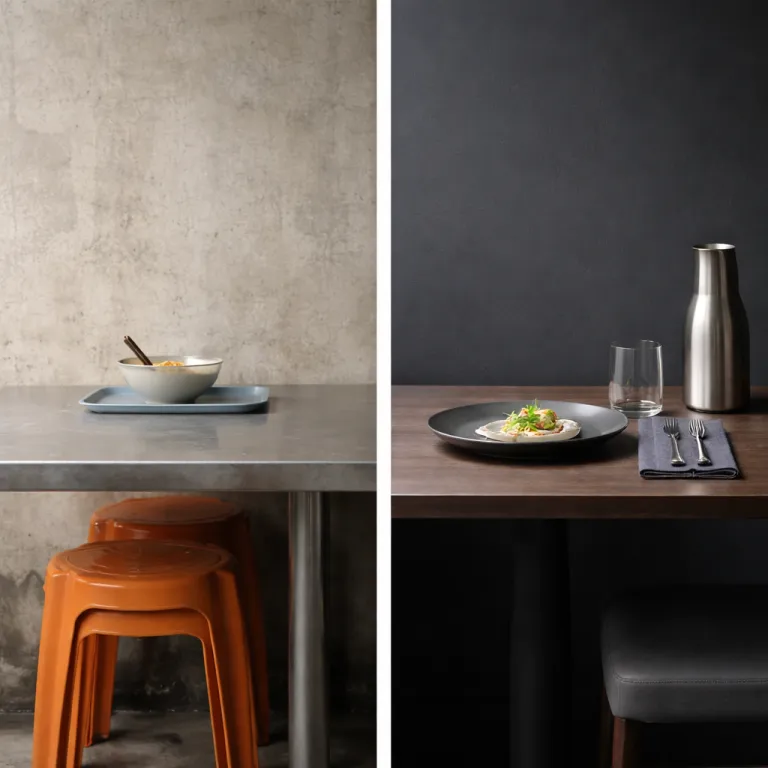
Rethinking a luxury week in Singapore through its hawker centres
Planning a luxury stay in Singapore usually starts with hotel suites and Michelin reservations. Yet the real upgrade comes when you understand how the best hawker centres in Singapore can quietly redefine your entire food budget and your sense of the city. In a place where a plate of chicken rice can rival a tasting menu course, the smartest travellers let hawker centres, not white tablecloths, set the rhythm of their days.
Across Singapore there are more than 110 hawker centres, each food centre licensed and overseen by the National Environment Agency (NEA), and together they form the city’s most democratic dining room. NEA’s public listings of hawker centres and markets confirm how widely they are spread across the island, from the Central Region to the heartlands. When you are choosing a premium hotel in the Central Region, the question is not whether to eat at a hawker centre, but how often, and which complexes locals actually rate as their daily canteen. The answer shapes where you book, which MRT station you want on your doorstep, and how you split your budget between hawker stalls and Michelin rooms.
For a one week stay, you will probably eat about twelve main meals, not counting snacks and poolside bites. A realistic pattern for a food-focused trip is to let hawker centres handle the majority of those meals, with only a few reserved for relaxed restaurants and fine dining addresses, which is far from the brochure fantasy of daily tasting menus. That roughly 70 to 30 split between hawker centres and high-end rooms mirrors how many residents actually eat, and it lets you reserve your splurge nights for the rare addresses that genuinely justify 300 to 400 Singapore dollars per person.
Mapping the best hawker centres to your luxury hotel location
Where you sleep in Singapore should be guided as much by your favourite hawker centre as by skyline views. Around Marina Bay and the Central Business District, three of the most popular food centres for visitors are Maxwell Food Centre, Lau Pa Sat and the market complex at Amoy Street, each with its own character and ideal time of day. Choosing a hotel that keeps these within a ten-minute walk or one MRT station ride changes how naturally you slip from pool to stall.
Maxwell Food Centre sits near Chinatown, a short stroll from Tanjong Pagar MRT station and a quick ride from luxury properties at Marina Bay. It is one of the most famous hawker centres in Singapore, regularly highlighted in local guides and travel shows, but fame means queues at peak open hours and a crush around the Tian Tian Hainanese Chicken Rice stall, which has been cited in international food programmes and guidebooks. Time it for a late breakfast or mid-afternoon, and you can explore other stalls such as Zhen Zhen Porridge, Hock Hai (Hong Lim) Curry Chicken Noodle or a carrot cake specialist, sampling fried noodles, silky congee and local snacks without the tour group crowds.
Lau Pa Sat, sometimes shortened to lau sat in casual speech, is the grand cast-iron food centre that turns into a satay street each evening, and it works beautifully as a pre-cocktail stop if you are staying near Raffles Place. Stalls along the satay stretch typically fire up grills from around 7pm and run until late evening, depending on demand and weather. For travellers still choosing a base, a neighbourhood-by-neighbourhood guide to where to stay in Singapore on a trusted hotel comparison site offers a clear view of which central areas pair best with specific hawker hubs. Once you understand that a five-minute walk to a favourite hawker centre is worth more than a slightly larger room, your hotel shortlist sharpens fast.
From kaya toast to chili crab: structuring 12 meals between hawker and Michelin
Think of your week in Singapore as twelve deliberate meals, each with a role to play. Breakfast is where hawker centres and old-school coffee shops quietly outperform hotel buffets, while dinner is where you decide whether to stay loyal to a beloved food court or dress up for a tasting menu. The trick is to let the strongest hawker centres in Singapore handle your daily cravings, so that your two or three Michelin nights feel like events, not obligations.
Start three or four mornings with kaya toast and kopi at Ya Kun or Killiney, both close to major MRT hubs and often a short walk from premium hotels in the central Singapore area. These are not technically hawker centres, but they share the same Singapore hawker DNA, and a set of toast, soft eggs and coffee costs less than a service charge on a hotel breakfast. On other mornings, head to a hawker centre such as Tiong Bahru Market or Maxwell Food Centre for noodles, nasi lemak or fried carrot cake. Stalls like Tiong Bahru Pau & Snacks, Jian Bo Shui Kueh or a local nasi lemak counter show why many residents pick up breakfast on the way to work instead of eating in hotel-style dining rooms.
For lunch and dinner, aim for at least eight meals at hawker centres, two at casual restaurants and two at fine dining addresses, which keeps your food spend between about 750 and 1,200 Singapore dollars for the week. Hawker meals typically run from about 4 to 12 dollars per dish, a range that aligns with recent government household expenditure surveys and local media price checks, while tasting menus at top Michelin addresses can reach 200 to 400 dollars per person, as listed on restaurant booking pages and official guides. If you are staying at a design-forward property in the Selegie or Bugis area, recent hotel reviews show how easy it is to pair a stylish room with nearby hawker centres for most of your meals.
Three hawker stalls that genuinely merit a detour
Not every stall in a famous hawker centre is worth your limited appetite. In the hunt for the best hawker centres Singapore has, focus on a handful of stalls where technique, consistency and queues all line up, then build your itinerary around them rather than chasing every viral post. This is where a luxury mindset helps, because you are curating experiences, not ticking boxes.
At Maxwell Food Centre, Tian Tian Hainanese Chicken Rice remains a benchmark for many visitors, but the surrounding stalls tell a richer story of Singapore’s hawker culture. Try a plate of fried hokkien noodles at a well-regarded stall such as Hokkien Mee or a similar specialist, then move to a different corner for silky tofu pudding or herbal soups, and you will understand why this food centre is more than a single dish. Remember that hawker centre etiquette encourages sharing, so order one portion of chicken rice, one plate of noodles and perhaps a side of carrot cake, then rotate plates between friends.
Old Airport Road Food Centre, a short ride from the city centre and not far from the East Coast, is where many residents send friends who want a less touristy hawker centre. Here you will find legendary stalls such as Nam Sing Hokkien Fried Mee, Xin Mei Xiang Zheng Zong Lor Mee or a famous rojak counter, alongside vendors serving nasi lemak, prawn noodles, rich curry laksa and smoky satay, often with opening hours that stretch into the late evening. Over at Lau Pa Sat, the satay street that appears after dusk is ideal for skewers of chicken, beef and prawn, and while some stalls feel geared to tourists, the atmosphere under the cast-iron arches is still one of the best in Singapore for a first night in town.
Affordable luxury versus Michelin: where to spend and where to save
Once your hawker centre routine is set, the real question for a luxury traveller is where to deploy the rest of the budget. Singapore’s Michelin landscape is dense, with more than forty starred addresses and several two-star rooms, but not every dining room is essential for a first visit. The most beloved hawker centres already cover classics like chicken rice, nasi lemak and chili crab, so your fine dining choices should add perspective, not simply repeat flavours at ten times the price.
Labyrinth, ranked among Asia’s leading restaurants in regional lists and the Michelin Guide, is the clearest example of a tasting menu that earns its cost for a first-time visitor. Chef LG Han reinterprets hawker staples such as carrot cake, nasi lemak and market desserts through a modern lens, so you taste the same Singapore hawker DNA you met at Maxwell Food Centre or Tiong Bahru, but with a narrative and precision that justify the bill. This is not about replacing the hawker centre, but about seeing how a chef can translate a food court experience into a composed, multi-course story.
Between hawker centres and Michelin, there is a growing band of affordable luxury restaurants, where a steakhouse in Tampines, a polished seafood room near the East Coast or a bistro along the Singapore River offers generous portions, good wine lists and bills that sit comfortably between the two extremes. Use these for one or two dinners when you want a slower pace than a hawker centre but do not need the full theatre of a tasting menu. If you are travelling with friends and looking at Singapore hotels with triple rooms for comfort and convenience, a detailed hotel guide can help you pair those rooms with nearby hawker centres and mid-range restaurants so that everyone eats well without constant bill shock.
Practical hawker logistics for luxury travellers
Even in a five-star stay, the details of how you navigate a hawker centre matter. The best hawker centres in Singapore are still everyday spaces, with plastic stools, ceiling fans and queues that move quickly if you know the system. Treat them with the same respect you would give a Michelin room, and the experience feels effortlessly premium.
Most hawker centres in Singapore now accept both cash and cashless payments, but smaller stalls may still prefer notes and coins, so keep a small wallet ready. Common cashless options include NETS, major credit cards at some drink stalls, and mobile payments such as PayNow or QR-based apps, though acceptance varies by vendor. Opening hours vary by stall and by food centre, and some of the most famous chicken rice or curry noodle vendors close once they sell out, which can be mid-afternoon on busy days. A few stalls or even entire centres post signs such as closed Monday, so always check the specific address or ask your hotel concierge to confirm before you plan a cross-town trip.
When you arrive at a hawker centre, first walk a full loop to scan the stalls, menus and queues, then decide what you want to eat and where to sit. Look for tables near fans, avoid blocking the main walkways, and remember that sharing tables is normal in every central location, especially near major MRT hubs. Whether you are at Newton Food Centre after a late flight, a market complex in Tiong Bahru at brunch or a breezy East Coast hawker centre after a swim, the rhythm is the same, and once you relax into it, you will understand why locals say hawker centres are where the city truly eats.
Key figures for planning your hawker and Michelin budget
- Singapore counts more than 110 hawker centres across the island, according to the National Environment Agency’s published list of hawker centres and markets, which means most central hotels sit within a short walk or one MRT stop of at least one major food centre.
- The average cost of a simple dish at a hawker centre is often around 5 Singapore dollars, based on recent government household expenditure surveys and local media price checks, so a generous three-dish spread for two people can easily stay under 20 dollars.
- Fine dining tasting menus at top Michelin addresses in Singapore typically range from 200 to 400 dollars per person, as indicated in official restaurant price ranges and booking platforms, which means that a single dinner for two can equal three or four days of hawker centre meals.
- A balanced one-week itinerary with eight hawker meals, two casual restaurant dinners and two Michelin nights usually results in a food budget between roughly 750 and 1,200 dollars per person, depending on alcohol and hotel dining extras.
- Maxwell Food Centre traces its roots to the early twentieth century, Lau Pa Sat to the late nineteenth century and Old Airport Road Food Centre to the early 1970s, according to local heritage accounts, illustrating how deeply hawker culture is woven into Singapore’s urban history.
FAQ about hawker centres and luxury stays in Singapore
What is the most famous hawker centre in Singapore for first time visitors ?
Maxwell Food Centre is widely regarded as the most famous hawker centre for first timers, thanks to its central location near Chinatown, its appearance in countless travel shows and its mix of stalls serving chicken rice, fried noodles, nasi lemak and local desserts. The question “What is the most famous hawker centre in Singapore?” appears often in visitor guides, and the consistent answer highlights Maxwell as a reliable starting point. From nearby luxury hotels at Marina Bay or Tanjong Pagar, it is usually a short taxi or one-stop MRT ride away.
Are hawker centres in Singapore expensive compared with hotel restaurants ?
Hawker centres are significantly more affordable than hotel restaurants or Michelin rooms, with an average dish often costing around 5 Singapore dollars according to official statistics and local surveys. A full meal of chicken rice, noodles or curry with drinks at a hawker centre often costs less than the service charge on a fine dining bill. This price difference is why many luxury travellers allocate most of their meals to hawker centres and reserve only a couple of nights for high-end tasting menus.
Which hawker centre is best for satay and grilled dishes ?
Lau Pa Sat in the central business district is renowned for its evening satay street, where multiple stalls set up grills outdoors and serve skewers of chicken, beef and seafood with peanut sauce and cucumber. While you can find satay at many hawker centres, the atmosphere under Lau Pa Sat’s cast-iron arches and the dedicated satay lane make it a standout experience. Arrive early in the evening to secure a table and avoid the heaviest crowds.
How should I choose a hotel if I want easy access to hawker centres ?
When choosing a luxury or premium hotel, look at the map of nearby hawker centres and MRT stations before you confirm your booking. Areas around Marina Bay, Tanjong Pagar, Bugis and Orchard all offer quick access to multiple food centres, which makes it easy to drop in for breakfast, lunch or a late supper. A five-minute walk to a favourite hawker centre often adds more daily pleasure than an extra few square metres of room space.
Do hawker centres cater to dietary restrictions and preferences ?
Most large hawker centres in Singapore include stalls that can accommodate common dietary preferences, such as vegetarian dishes, seafood-focused plates or less spicy options. You will find rice and noodle dishes without meat, grilled fish instead of chicken, and stalls that can adjust chili levels on request. For strict dietary needs, it helps to ask your hotel concierge to write key phrases in Mandarin or Malay, which you can then show to stall owners when ordering.