Considering a hotel on Singapore’s East Coast? Discover what to expect from Katong and Marine Parade hotels, travel times to Changi Airport and Marina Bay, and how to choose the right East Coast stay for your trip.
Where to Stay in Singapore: Guide to Hotels on the East Coast, Katong and Marine Parade
Why choose Singapore’s East Coast for your hotel
Sea breeze, low-rise streets, and the smell of grilled satay from East Coast Lagoon Food Village; the East Coast of Singapore feels like a different city. This is not the glass-and-steel spectacle of Marina Bay, but a slower, more residential coast where people actually live, jog, and argue about which laksa is best. For a hotel stay, it means quieter nights, more space, and a sense of neighbourhood rather than transit hub.
Staying in a hotel in this part of Singapore suits guests who value calm over constant stimulation. You trade instant access to Bay Sands and the central business district for morning walks along East Coast Park and coffee on a balcony facing Marine Parade Road. By taxi, most East Coast hotels are around 10–15 minutes from Changi Airport and roughly 15–20 minutes from Marina Bay outside peak rush hour, based on typical journey estimates published by the Singapore Tourism Board and local ride-hailing apps as of 2024.
The area works especially well for repeat visitors, families, and anyone planning more than a quick stopover. If your previous stays were in the city centre, booking a hotel east of the core lets you see a different, more local Singapore without sacrificing comfort or service. Think of it as a coastal base with easy access to the rest of the island rather than a compromise, especially if you prefer neighbourhood cafés and parks to shopping malls.
Atmosphere and neighbourhoods: Katong, Marine Parade and the coast
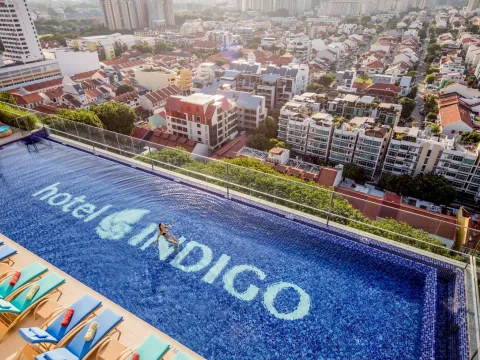
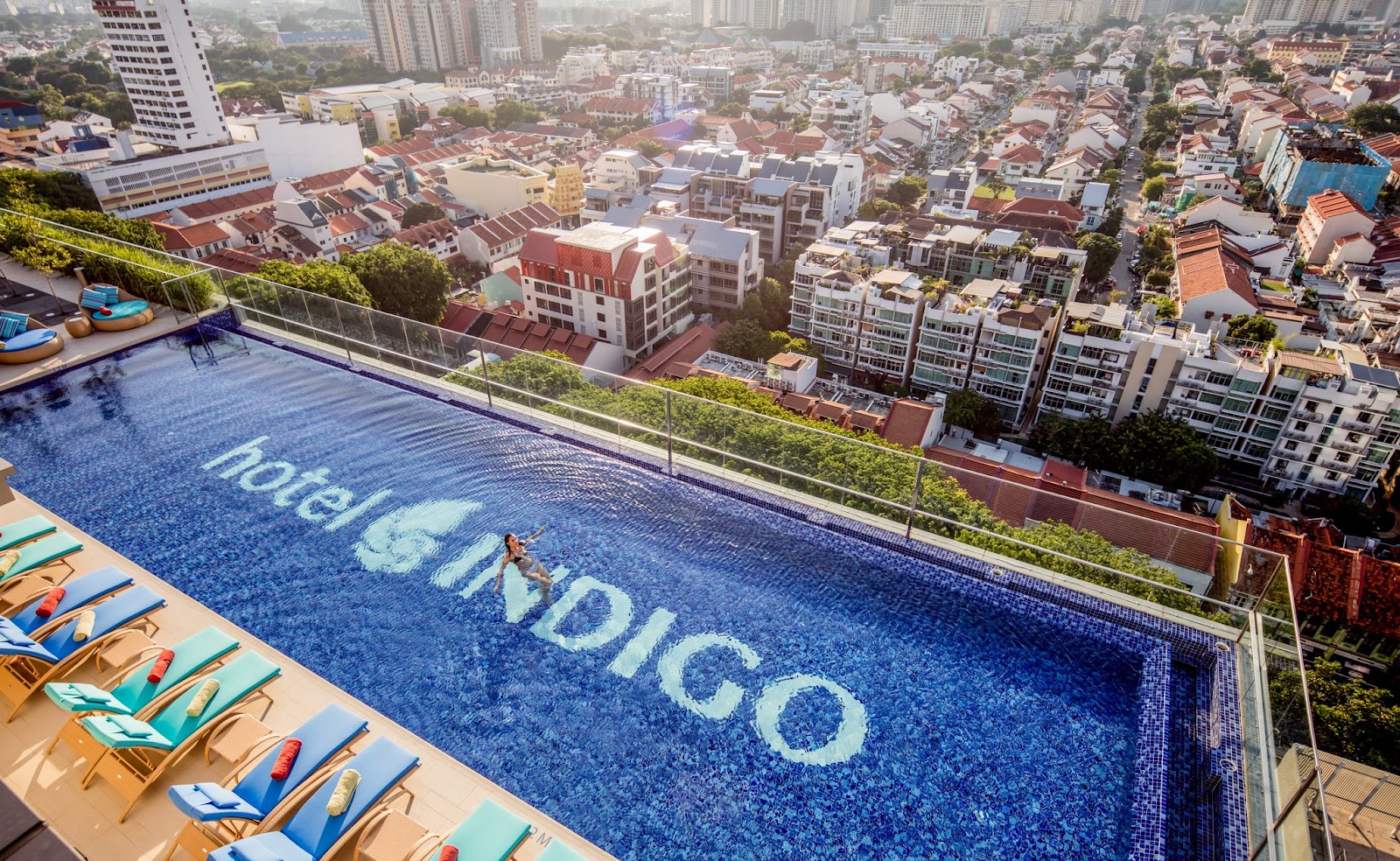
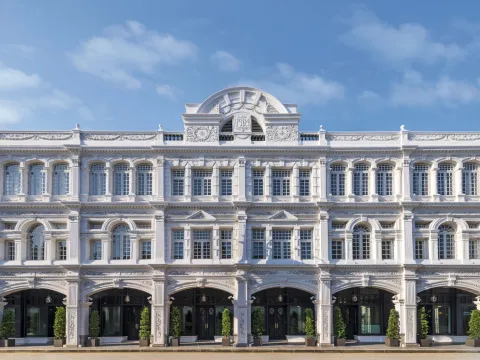
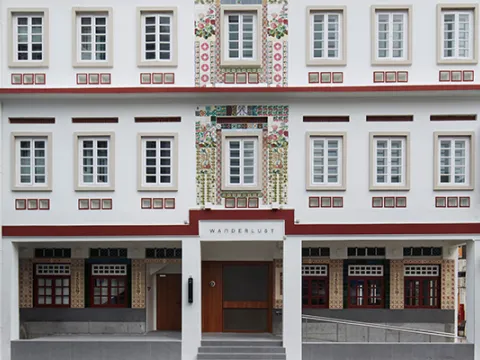
Shophouse façades on East Coast Road set the tone. Pastel Peranakan tiles, carved wooden shutters, and narrow five-foot ways create a streetscape that feels almost theatrical compared with the polished towers of hotels in central Singapore. Around Katong, the rhythm is slower; people linger over kopi at corner cafés, and queues form early at famous laksa stalls near popular Katong hotels such as Hotel Indigo Singapore Katong and Village Hotel Katong.
Marine Parade, a little closer to the sea, is more residential. Here, hotels sit among condominiums and local malls, with the long green strip of East Coast Park just across the East Coast Parkway. Guests who enjoy running, cycling, or simply watching container ships glow at night off the coast of Singapore will appreciate this setting. It is a very different energy from the choreographed light shows of Marina Bay, and hotels near East Coast Park feel more like seaside residences than business towers.
Between these pockets, you will find temples, churches, and old-school bakeries sharing the same blocks as contemporary restaurants. The mix gives hotel guests an easy way to step out of the lobby and into real daily life. For travellers who dislike feeling trapped in a resort bubble, this is one of the strongest arguments for choosing a hotel in Katong or Marine Parade over a grand hotel in the downtown core, especially if you enjoy evening walks past heritage shophouses.
What to expect from hotels in Singapore’s East Coast
Properties in this area tend to be mid to upper-upscale rather than ultra-luxury. You will not find the over-the-top spectacle of a bay-front icon, but you will find well-managed hotels with solid star ratings, generous rooms by Singapore standards, and a guest mix of business travellers, families, and regional visitors. Many hotels here lean into heritage themes, with décor inspired by Peranakan motifs and the old seaside resorts that once lined this coast.
Rooms often start larger than in the city centre, with comfortable king beds, practical work desks, and bathrooms that feel more residential than corporate. Typical entry-level rooms in Katong hotels sit around 25–30 square metres, with family rooms or suites running larger, according to 2023–2024 room specifications published by major chains. Some hotels offer family rooms or connecting configurations that work well if you are travelling with children or a multi-generational group, and sample nightly rates often fall in the mid-range compared with Marina Bay. When you check room descriptions, pay attention to whether you are getting a city, neighbourhood, or partial sea view; the outlook can change the feel of the stay more than you might expect.
Facilities usually include at least one pool, a fitness space, and a handful of dining options. Pools here are more about relaxed laps and cooling off after a walk along the coast than about rooftop drama. Service tends to be warm and efficient rather than theatrical, which many guests find more natural for a longer stay. Overall, aggregated review scores on major booking platforms in 2024 are consistently positive, with particular praise for location and comfort rather than showmanship, and many Marine Parade hotels highlight easy access to malls, supermarkets, and casual dining.
Location, transport and access to the rest of Singapore
From the East Coast, the city’s geography finally makes sense. You are roughly between Changi Airport and Marina Bay, with the East Coast Parkway running like a spine along the water. For airport access, this is one of the most convenient hotel clusters outside the terminals themselves; travel time is short, and you avoid crossing the entire island after a long flight.
Public transport has improved significantly with new MRT lines serving the eastern corridor. When comparing hotels, check how far each property sits from the nearest MRT station and whether there is a direct line or easy connection to the central area. Stations such as Marine Parade, Tanjong Katong, and Marine Terrace on the Thomson–East Coast Line (TEL), progressively opening from 2024 onwards according to the Land Transport Authority, bring Katong hotels and Marine Parade hotels within easy reach of Orchard, Marina Bay, and the museums without relying on taxis for every journey.
For guests who prefer to move at their own pace, the East Coast is also friendly to walking and cycling. The coastal park connector allows you to ride from near the airport all the way towards the city, passing under flyovers and through pockets of greenery that most visitors never see. If your Singapore plans include both meetings in the centre and downtime by the sea, this location offers a balanced base, with typical taxi rides to Marina Bay taking around 15–20 minutes in normal traffic, based on 2024 journey-time ranges published by local transport providers.
Who an East Coast hotel suits best (and who should stay elsewhere)
Travellers who value space, calm, and local flavour will feel at home here. If your ideal hotel Singapore experience involves a morning swim in a quiet pool, a short stroll to a hawker centre for breakfast, and an unhurried taxi ride into town for a meeting or gallery visit, the East Coast delivers. Families, in particular, appreciate the proximity to playgrounds, the beach, and casual dining along East Coast Park, and many hotels near East Coast Park offer family-friendly room types.
Guests on very short stays, or those whose schedule revolves around Marina Bay and the central business district, may prefer to base themselves closer to the action. The time saved by staying within walking distance of Bay Sands, major offices, or the main cultural institutions can matter if you have a packed agenda. In that case, an East Coast property might work better as a second stop, perhaps for the final nights before flying out of Changi Airport when you want a softer landing and quick airport access.
For repeat visitors, the East Coast is an excellent way to see a different side of hotels in Singapore without sacrificing comfort. If your previous room was in a tower overlooking the financial district, a stay in a hotel east of the centre offers a softer, more residential counterpoint. It is less about star rating and more about rhythm of life; you are choosing neighbourhood texture over skyline drama, with local bakeries, coffee shops, and park connectors replacing office towers and convention centres.
How to choose the right East Coast hotel and what to check before booking
Start with location, not lobby photos. Decide whether you want to be closer to Katong’s heritage streets along East Coast Road or nearer to Marine Parade and the park. A hotel in Katong places you steps from famous laksa shops and old cinemas converted into lifestyle spaces, while a property nearer the coast of Singapore gives faster access to the beach, cycling paths, and sea views, which can be especially appealing if you plan to spend time in East Coast Park.
Next, look closely at room types and layouts. Check the exact room size, bed configuration, and whether there are options with balconies or bathtubs if those details matter to you. For families or groups, confirm whether the hotel offers connecting rooms or larger corner categories; these often provide better value than booking multiple smaller rooms at the lowest prices hotel listings show, and some Katong hotels advertise dedicated family rooms with sofa beds or bunks.
Finally, read beyond the headline rating. Look for patterns in guest feedback about noise levels, pool crowding, and transport convenience rather than focusing only on whether the reviews are good or average. Pay attention to comments about access to the nearest MRT station, taxi availability at peak times, and the quality of on-site dining versus nearby options. These practical details will shape your stay far more than whether the lobby feels grand or the façade resembles a hotel in Marina Bay, and they help you compare East Coast hotels fairly with more central properties.
Is Singapore’s East Coast a good area to stay for first-time visitors ?
Yes, the East Coast can be a very good area for first-time visitors who value calm, space, and local neighbourhood character over being in the absolute centre. You will be slightly farther from Marina Bay and the main museums, but you gain easy access to East Coast Park, heritage streets in Katong, and a strong food scene. With efficient taxis and improving MRT connections, it remains practical for sightseeing while offering a softer landing after busy days in the city.
How far is the East Coast from Changi Airport and Marina Bay ?
The East Coast sits roughly between Changi Airport and Marina Bay, making it one of the most convenient non-airport areas for arrivals and departures. Travel time by car from the airport is short, thanks to the direct East Coast Parkway, and reaching Marina Bay or the central business district typically takes only a modest additional drive. In normal traffic, journey planners and taxi fare calculators in 2024 indicate trips of about 10–15 minutes from Changi and 15–20 minutes to Marina Bay, which feels manageable even after a long-haul flight.
What kind of hotels are available on Singapore’s East Coast ?
Hotels on Singapore’s East Coast are generally mid to upper-upscale properties with solid star ratings rather than ultra-luxury icons. You can expect comfortable rooms, reliable service, pools, fitness spaces, and dining options that often reflect the area’s heritage. Representative choices include Hotel Indigo Singapore Katong (boutique, strong design, but limited sea views), Village Hotel Katong (good for families, slightly busier), and Grand Mercure Singapore Roxy (practical, close to malls, but not directly on the beach). Many hotels incorporate Peranakan-inspired design elements and offer room categories suitable for both business travellers and families, with a focus on comfort and neighbourhood atmosphere rather than spectacle.
Is it easy to get around Singapore from an East Coast hotel ?
Getting around from an East Coast hotel is straightforward, with quick road access via the East Coast Parkway and improving MRT coverage along the eastern corridor. Taxis and ride-hailing services are widely available and make reaching Marina Bay, Orchard, or other central districts relatively quick. When choosing a property, it is worth checking the distance to the nearest MRT station and typical travel times to the places you plan to visit most often, especially stations such as Marine Parade or Tanjong Katong on the Thomson–East Coast Line.
Who should avoid staying in the East Coast area ?
Travellers with very tight schedules focused entirely on central meetings, events near Bay Sands, or late-night activities in the core may find the East Coast less convenient. If you need to walk between multiple appointments in the central business district or attend events that finish late around Marina Bay, staying in a hotel right in the centre can save time and effort. In those cases, the East Coast works better as an option for a more relaxed second stay or for future visits when your programme is less compressed.