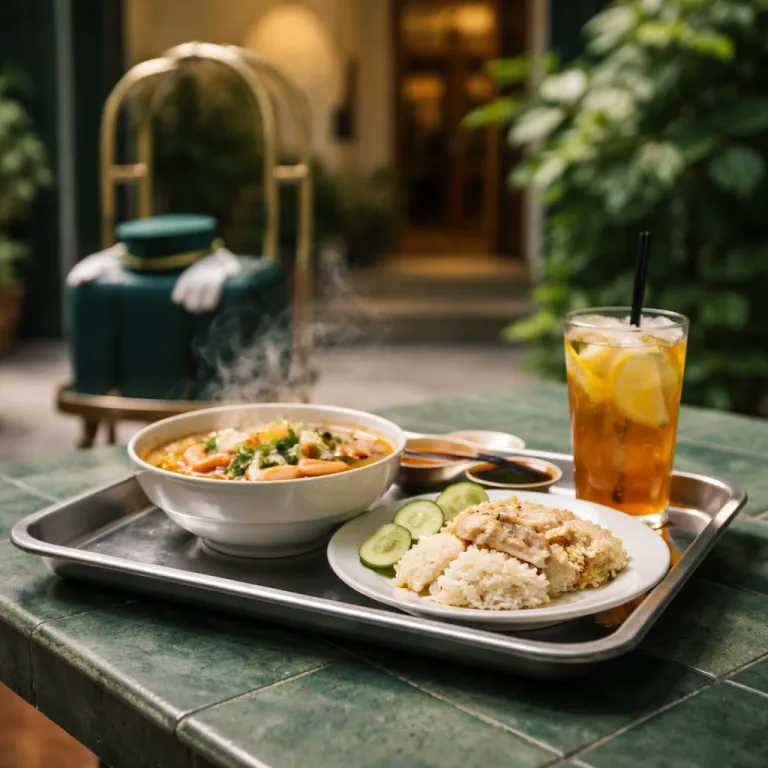
How luxury travellers should think about the best hawker centres in Singapore
Singapore rewrites the rule that luxury dining must mean white tablecloths. The best hawker centres in Singapore often serve food that outshines many hotel restaurants, and a smart hotel booking strategy starts with mapping your cravings to the nearest hawker centre. When you plan where to sleep by where you want to eat street food, every walk from lobby to food centre becomes part of the experience.
Across Singapore there are more than 110 hawker centres, according to the National Environment Agency’s latest figures, each with its own rhythm, signature food stalls and fiercely loyal regulars. These hawker centers are open air food courts where individual hawker stalls specialise in dishes like chicken rice, fried pork noodles, laksa or soup, and the average cost of a meal is roughly 4 to 6 SGD based on official household expenditure data from the Department of Statistics. For a traveller used to Michelin tasting menus, the contrast between price and quality at a typical hawker center or food center is startling in the best way.
Think of each hawker centre as a curated market of flavours rather than a chaotic street. The most interesting luxury hotels now brief their concierges to talk about Singapore hawker culture with the same care they give to spa menus, because guests ask where to find the best street food as often as they ask about rooftop bars. As one long-time concierge in Marina Bay puts it, “If I only send you to fine dining, you miss the real food Singapore lives on every day.” When you choose a property, you are also choosing which hawker stalls, which market food and which late night noodles will become your local routine.
Tiong Bahru Market and centre Singapore stays for early morning hawker runs
Tiong Bahru Market is where you feel centre Singapore waking up through food. Between 7 and 9 in the morning, the hawker stalls upstairs hum with steamers of rice, vats of soup and woks of fried noodles feeding residents before work. The market sits a short walk from Tiong Bahru MRT station on the East–West Line, and if you are staying in the heritage quarter around Tiong Bahru and the conserved shophouses near the former Six Senses Maxwell on Cook Street (now operating under the InterContinental Singapore Robertson Quay portfolio), walking to this hawker centre is often faster than ordering a car.
Here the best strategy is to graze slowly rather than queue only for the most famous Singapore hawker names. Start with a plate of chicken rice from a stall with a steady local line, then add fried pork dumplings, a bowl of silky noodles and perhaps a lighter soup if the humidity is high. Popular choices include Tiong Bahru Hainanese Boneless Chicken Rice (usually open from around 10:00 to mid afternoon) and Jian Bo Shui Kueh (often serving from about 6:30 until early afternoon), both of which typically close once they sell out. Because this food centre focuses on breakfast and lunch, many hawker stalls shut by 3 or 4 p.m., which is why the doorman who cares about food Singapore will quietly tell you to go early.
For travellers who prefer Orchard Road but still want easy access to Tiong Bahru, choosing one of the sustainable luxury hotels in the Orchard area keeps you close to both malls and markets. From an eco conscious base in Orchard you can reach this hawker center in under fifteen minutes by taxi in light traffic, or about twenty minutes by MRT with a simple transfer, then return to a pool deck that feels a world away from the market. That balance between polished service and the raw energy of a morning market food run is what makes Singapore such a compelling city for gastronomic travel.
Maxwell Food Centre, Chinatown complex and where to stay nearby
Maxwell Food Centre sits at the edge of Chinatown, a few minutes’ walk from Maxwell MRT station on the Thomson–East Coast Line, and it is often the first hawker centre Singapore visitors hear about. The draw is obvious, because the famous Tian Tian Hainanese Chicken Rice stall has turned chicken rice into an international headline and helped put Maxwell food on every list of the best hawker centres in Singapore. Yet regulars know that the real pleasure of this food center lies in wandering past the other hawker stalls and following your nose rather than the guidebook.
Order one plate of chicken rice to understand the hype, then move on to stalls serving fried oyster omelette, pork noodles, herbal soup or congee, and you will see why locals treat this hawker center as a daily canteen. Across the road, Chinatown Complex Food Centre, linked to Chinatown MRT station on the Downtown and North East Lines, offers another layer of market food, with even more hawker stalls and some of the most characterful food Singapore has to offer under one roof. Between these two centres you can eat street food from breakfast through late evening without repeating a dish, especially if you mix classic chicken rice with dishes like claypot rice, char kway teow and traditional desserts.
From a hotel perspective, this area rewards travellers who choose refined four star properties within walking distance. Staying in an elegant city hotel near Chinatown means Maxwell food becomes your default lunch plan, while Chinatown Complex turns into your casual dinner spot. One concierge in the area jokes that his “office canteen” is stall 01-xx at Maxwell, where he orders pork noodles before the lunch rush. If you prefer a quieter base, a more intimate luxury hotel a short ride away still keeps you close enough that every visit to a hawker centre feels spontaneous rather than scheduled.
Newton, Old Airport Road, Lau Pa Sat and the hawker versus fine dining dilemma
Newton Food Centre is where many concierges send first time visitors, because the setting feels cinematic and the Newton food stalls are easy to navigate. Located beside Newton MRT station on the Downtown and North South Lines, it comes alive from late afternoon until late night. You come here for grilled seafood, satay and the theatre of hawker stalls calling out their specials, not for the most nuanced chicken rice in Singapore. Locals sometimes roll their eyes at the tourist focus, yet even they admit that a late night plate of fried noodles or a bowl of soup under the lights at this hawker center has its charm.
Old Airport Road Food Centre is a different story, and it is the detour that serious eaters happily make from any hotel in the central business district. A short taxi ride of around fifteen minutes from Marina Bay or City Hall, this sprawling hawker centre is packed with food stalls that have been perfecting dishes like fried kway teow, pork rib soup and silky tofu desserts for decades, and the queues are mostly residents rather than visitors. Many stalls open from late morning until about 10 p.m., so it works well for a relaxed dinner. From a luxury hotel in Marina Bay or the civic district, the ride to this food centre takes a little planning, but the depth of flavour makes it one of the best hawker centres in Singapore for repeat visits.
Closer to the financial towers, Lau Pa Sat is an ornate cast iron market that has evolved into a hybrid between a hawker center and a heritage monument. It sits a few minutes’ walk from Raffles Place and Telok Ayer MRT stations, and office workers come for quick rice and noodles at lunch, then the surrounding streets turn into a satay street food zone in the evening, giving guests in nearby hotels an easy way to sample Singapore hawker culture without straying far. When you weigh a multi course Michelin star menu at a place like Labyrinth against a day spent moving between Lau Pa Sat, Old Airport Road and Newton, the real luxury might be the freedom to choose both.
How top concierges really eat: from michelin hawker stalls to hidden centres
Singapore now counts dozens of Michelin listed restaurants, yet the city’s only hawker stall with a full Michelin star is Hill Street Tai Hwa Pork Noodle, which first received its star in 2016 and has retained it in subsequent guides. That detail matters, because it confirms what many travellers sense instinctively, that some of the best food Singapore offers is still served in a humble hawker centre rather than a hushed dining room. When you ask a concierge at a grand hotel for recommendations, you are really asking them to translate their own hawker habits into a route you can follow.
Concierges at properties like Capella, Raffles or Fullerton Bay will often mention Newton Food Centre and Lau Pa Sat first, because these hawker centers are easy to explain and close to many luxury addresses. Off duty, the same staff might be lining up at a food centre in a quieter neighbourhood, chasing a specific bowl of pork noodles, a plate of fried carrot cake or a stall that only sells chicken rice until it runs out by noon. One Raffles concierge describes his routine as “Maxwell for breakfast congee, Old Airport Road for char kway teow, then back to the hotel for champagne.” The gap between what they say and where they actually eat is where your best tips live, so do not hesitate to ask which hawker center they go to on their day off.
One way to bridge the worlds of penthouse suites and plastic stools is to choose a hotel that openly celebrates Singapore hawker culture in its guest experience. Some properties now include guided walks to nearby hawker centres, recommendations for particular hawker stalls and even room service menus inspired by street food classics. When you stay at a place that understands this balance, every evening can move from a cocktail on a rooftop to a late plate of noodles at a food center without feeling like a compromise.
Practical tips for navigating hawker centres from a luxury base
Planning your hotel around the best hawker centres in Singapore works best when you understand how these places operate. The most useful official advice remains simple and precise, and local guidance often sounds like this line from a visitor information sheet: "What is the best time to visit hawker centres?" and the answer, "Mid-morning or late afternoon to avoid peak crowds." Treat that as a starting point, then adjust based on which hawker centre you are targeting and what time your preferred hawker stalls actually open, checking posted hours at each food centre when you arrive.
Carry small notes, because many hawker stalls still prefer cash even as digital payments spread through centre Singapore. Some hawker centers now accept cards or mobile wallets, yet relying on them can mean missing a legendary chicken rice stall or a Maxwell food vendor that has not upgraded its terminal. When you are coming from a luxury hotel where everything can be charged to your room, the act of paying a few dollars directly at a food centre counter becomes part of the shift into local rhythm and slows you down just enough to notice the details.
From a logistics perspective, public transport and short taxi rides make it easy to move between your hotel, one hawker center for breakfast and another food center for dinner. Many travellers base themselves in Marina Bay or Orchard, then treat places like Tiong Bahru Market, Chinatown Complex and Old Airport Road as daily excursions rather than one off pilgrimages, using MRT lines such as the East–West, Downtown and North South to connect districts. That pattern lets you enjoy the full comfort of a high end property while still eating like a Singapore hawker regular, which is ultimately the most satisfying way to experience the city.
FAQ about luxury stays and the best hawker centres in Singapore
What is the best area to stay for easy hawker centre access?
For most travellers, staying in Marina Bay, the civic district or Orchard offers the best balance between luxury hotels and proximity to major hawker centres. From these areas you can reach Maxwell Food Centre, Lau Pa Sat, Newton Food Centre, Tiong Bahru Market and Chinatown Complex in under twenty minutes by taxi in normal traffic. That makes it easy to fit multiple hawker center visits into a short stay without feeling rushed.
How much should I budget for meals at hawker centres?
A typical dish at a hawker centre in Singapore costs around 5 SGD, based on figures from national statistics and the Department of Statistics’ household expenditure surveys. Even if you order several plates at different food stalls, it is difficult to spend more than 15 to 20 SGD per person. Compared with hotel restaurants, this makes hawker food an excellent value without sacrificing quality, and it allows you to sample more dishes across different food centers.
Are hawker centres suitable for solo travellers staying in luxury hotels?
Hawker centres are ideal for solo travellers, because you can order small portions from multiple hawker stalls and eat at shared tables without feeling conspicuous. Many guests walk from their hotel to a nearby food centre, eat quickly and return to the property for a drink or a swim. The casual atmosphere makes it easy to focus on the food and the people watching, and staff at your hotel can point you to nearby hawker centers that feel especially welcoming.
Can I find halal or vegetarian options at hawker centres?
Many hawker centres in Singapore include halal certified stalls, especially in larger food centers where different cuisines share the same space. Look for official certification signs at individual hawker stalls rather than assuming the entire hawker center is halal, and ask staff if you are unsure. Vegetarian options are also common, particularly in Indian and Chinese stalls serving rice, noodles and vegetable based dishes, and some centres now feature dedicated vegetarian or vegan hawker stalls.
Is it safe and comfortable to visit hawker centres at night?
Singapore is widely regarded as a safe city, and visiting hawker centres at night is a normal part of local life. Places like Newton Food Centre and Lau Pa Sat become livelier after dark, with more street food stalls and a relaxed crowd. If you are staying in a luxury hotel, staff can advise on the best routes and times based on your comfort level, and a short taxi ride back to your property keeps the experience effortless even after a late supper.