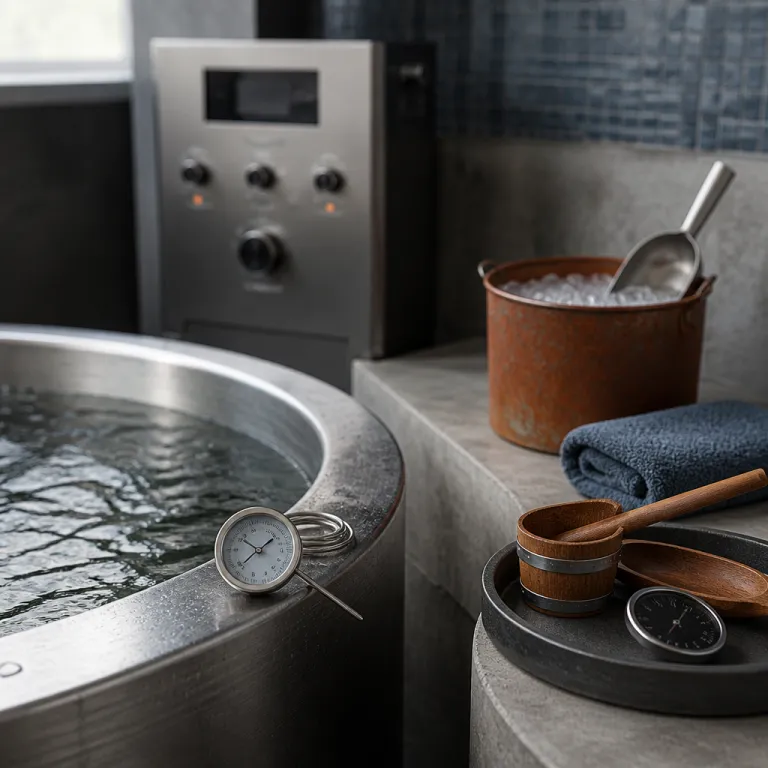
Hydrothermal circuits in hotel spa Singapore: what a real reset looks like
In Singapore, the serious hotel spa is no longer about scented candles and background flutes. A proper hydrothermal circuit in a leading hotel spa in Singapore now reads more like a performance protocol for the body than a pampering ritual, and couples who book these experiences feel the difference long after check out. When you choose hotels with well designed spa facilities, you are effectively booking a structured wellness journey that works with heat, cold and rest to reset both body and mind.
Start by looking at the basic facilities that shape any meaningful spa wellness circuit. At minimum, a results driven spa in Singapore should offer a hot zone with sauna or a well calibrated steam room, a genuinely cold experience such as a plunge pool or chilled shower, and quiet lounges steam free where you can let your heart rate settle between cycles. The best hotel spa properties in hotel Singapore settings add contrast showers, experience pools and precise timing guidance, so you are not guessing how long to stay in each thermal zone.
Hydrothermal design matters because your body responds differently to each temperature shift. Short, repeated heat exposures in a steam room or sauna increase circulation and prepare muscles for deeper treatments, while cold immersion in a plunge pool or ice fountain triggers a measurable nervous system reset. When couples book a hotel spa Singapore stay with this kind of circuit, they are buying more than access spa privileges ; they are investing in a structured treatment sequence that supports sleep, immunity and post flight recovery.
For many travelers, the question is how to read a spa singapore brochure and separate theatre from science. Look for clear explanations of each treatment, specific temperature ranges for pools and thermal cabins, and guidance on how to combine heat, cold and rest for your body type. If a hotel simply lists generic spa facilities without describing the hydrothermal journey, you are probably looking at a decorative wellness area rather than a true luxury spa engineered for results.
Couples planning a romantic stay should also consider how the spa connects to the rest of the hotel. Direct access from your room to the spa wellness floor, extended opening hours and thoughtful men services and women lounges layouts all signal that wellness is central to the hotel, not an afterthought. When a hotel integrates its swimming pool, fitness studio and spa membership options into one coherent wellness code of conduct, you gain a seamless experience that supports both intense city days and quiet recovery nights.
Cold plunges, cryotherapy and contrast therapy: the new language of recovery
Cold plunges have moved from athlete locker rooms into the most forward thinking hotel spa Singapore properties. In humid Singapore, where the outside air rarely drops below the high twenties, a properly chilled plunge pool or cold shower becomes more than a novelty ; it is a powerful way to counter heat fatigue and long haul travel stress. When paired with sauna or steam room sessions, this contrast therapy can deliver a sharper reset than any single massage treatment.
At METT Singapore at Fort Canning, the hydrothermal journey now includes a cold plunge, sauna and steam facilities alongside The Longevity Suite, where science driven treatments such as cryotherapy are reshaping what a spa in Singapore can offer. This is where hotel spa wellness moves beyond the massage menu and into measurable recovery, with protocols that reference neuroscience, circulation and metabolic health rather than vague relaxation promises. Couples who book these experiences often schedule a cold plunge and cryotherapy session before a long marina bay dinner, using the spa as a performance tool rather than a sleepy afternoon filler.
Cold immersion is not only for elite athletes or massages men packages. Short, guided dips in a plunge pool or targeted cryotherapy treatment can help regulate mood, improve sleep quality and reduce inflammation, especially after long flights into Singapore. The key is structure ; a good hotel spa will explain how to alternate heat, cold and rest, how your body should feel at each stage, and when to stop if the intensity becomes too much.
For couples, this opens a new kind of shared experience that goes beyond parallel massages. One partner might prefer a gentler sequence of warm pool, mild steam room and cool shower, while the other leans into deeper cold and more vigorous body scrub treatments, yet both follow the same wellness code of alternating stress and recovery. When a hotel offers separate men and women lounges around the thermal area, you can tailor the intensity individually, then reconnect in mixed relaxation zones or by the main swimming pool.
If you are using Singapore as a wellness reset between longer trips, it is worth planning your stay around properties that treat hydrothermal circuits as seriously as their restaurants. Our guide to using Singapore as a wellness reset explains why indoor thermal journeys often outperform rooftop pools in this climate, and how to align your spa membership style routines with the city’s pace. When you book a hotel spa Singapore stay with this mindset, the spa becomes the anchor of your itinerary rather than a last minute add on.
Reading the spa menu: substance, not spa theatre
Most hotel spa Singapore menus still open with a familiar list of massages, facials and body treatments. The difference between a theatrical spa and a results driven one lies in the detail behind those words, and couples who learn to read between the lines will book far better experiences. In Singapore, where hotel competition is fierce, the smartest properties now frame each treatment as part of a broader wellness journey rather than a one off indulgence.
Start with massages ; look for clear techniques, durations and intended outcomes rather than poetic names. A serious spa in Singapore will explain whether a massage focuses on lymphatic drainage, deep tissue recovery or nervous system down regulation, and may even suggest pairing it with specific hydrothermal steps or a targeted body scrub. When a menu simply lists “relaxing massage” without context, you are probably paying for ambience rather than expertise.
Facials deserve the same scrutiny, especially in a humid city where skin behaves differently than in drier climates. A strong hotel spa will describe how each facial addresses specific skin concerns such as pollution exposure, dehydration from air conditioning or post flight puffiness, and may recommend a sequence of treatments across a multi night stay. Look for details on retail products used during the treatment and whether you can continue the routine in your room, turning a single spa visit into an ongoing skin wellness plan.
Body treatments should also connect clearly to the rest of the spa facilities. A detoxifying wrap or exfoliating body scrub makes more sense when scheduled after a sauna or steam room session, when the body is warm and circulation is primed, and a good therapist will explain this logic. If the spa menu mentions access spa privileges to thermal areas before or after your treatment, take advantage ; those extra minutes in the hydrothermal circuit often amplify the results more than an added product upgrade.
Finally, consider how the spa integrates with the wider hotel wellness ecosystem. Properties that take recovery seriously often pair advanced spa wellness menus with sleep engineered suites, where lighting, sound and bedding are calibrated for deep rest, and you can read more about these sleep engineered suites in our dedicated guide to hotels that actually deliver on the rest promise. When a hotel aligns its spa, fitness, room design and even late night dining options, you gain a coherent wellness experience that extends far beyond the massage table.
From raffles spa to marina bay icons: where Singapore’s hotel spas are heading
Singapore’s most established hotels have quietly been rewriting what a city spa can be. At Raffles, the raffles spa has evolved from a heritage sanctuary into a modern luxury spa with hydrotherapy features, couples suites and carefully zoned relaxation areas that respect both privacy and ritual. The focus is less on ornate décor and more on how each facility supports a specific phase of the wellness journey, from pre treatment heat to post treatment calm.
Down by marina bay, the new generation of hotel spa Singapore properties leans into architecture and skyline views without sacrificing substance. Infinity pools and dramatic swimming pool decks are now paired with serious spa facilities, including contrast showers, vitality pools and quiet relaxation rooms where phones are politely discouraged. Couples can move from a morning fitness session overlooking the bay to a structured hydrothermal circuit, then end the day with targeted facials or massage treatments that address the realities of city living.
International brands such as Marriott have also raised the bar, particularly for marriott bonvoy members who expect consistent wellness standards across regions. In Singapore, a Marriott hotel spa is increasingly likely to offer clear wellness programming, from guided contrast therapy circuits to curated body treatments designed for frequent flyers. When you book with a loyalty profile, you can often align your spa wellness preferences across stays, turning one off treatments into a longer term body care strategy.
What unites these leading hotels is a shift from passive pampering to active recovery. Raffles spa, marina bay icons and selected Marriott properties now treat their spa facilities as core infrastructure, on par with their flagship restaurants or executive lounges steam free zones, and this mindset shows up in staff training and programming. Therapists are encouraged to explain the why behind each treatment, from skin barrier science to the circulatory effects of alternating hot and cold water in the pool circuit.
For couples choosing between heritage charm and skyline drama, the decision now comes down to how you prefer to structure your reset. Raffles offers a slower, ritual driven experience where time stretches between tea, treatment and quiet reading in separate men and women lounges, while marina bay hotels lean into energy, views and quick access to the city’s best dining. Either way, the smartest move is to book your spa slots when you reserve your room, treating the hotel spa Singapore experience as the backbone of your itinerary rather than a rainy day backup.
Access, memberships and non guest options: using hotel spas like a local
One of Singapore’s quiet luxuries is that many hotel spa facilities are not reserved exclusively for in house guests. Day passes, spa membership tiers and treatment based access spa options allow you to tap into serious wellness infrastructure even if you are staying elsewhere or living in the city. For couples who split their time between business hotels and more characterful stays, this flexibility can be the difference between a rushed massage and a full hydrothermal reset.
When evaluating access options, start by asking how spa wellness is structured for non residents. Some hotel spa Singapore properties grant full use of the swimming pool, fitness centre and thermal areas with any 60 minute treatment, while others sell dedicated day passes that include lounges steam access, refreshments and sometimes even light meals. A few high demand spas reserve their most tranquil hours for in house guests, then open selected facilities to external visitors during off peak windows.
Spa membership can make sense for frequent travelers who pass through Singapore regularly or for expatriate couples who want hotel level facilities without committing to a private club. Memberships often include priority booking, complimentary body treatments each quarter, discounts on retail products and sometimes separate men and women lounges access during busy periods. If you value privacy, ask whether there are dedicated men services and massages men slots, or whether all treatments are scheduled in mixed gender zones.
For visitors staying in smaller hotels without extensive spa facilities, day access to a serious hotel spa can transform the trip. You might sleep in a quieter neighbourhood property, then book a half day spa singapore circuit at a marina bay or raffles area hotel, combining the best of both worlds. This approach also lets you sample different wellness philosophies across hotels, from heritage rituals to high tech recovery suites, without constantly changing your room.
Finally, remember that access is not only about the spa itself but how it fits into your wider Singapore experience. A morning hydrothermal circuit followed by a hawker centre lunch and an afternoon by the pool can feel more restorative than a packed sightseeing schedule, and our guide to where Singapore’s chefs actually eat on their night off can help you pair serious wellness with equally serious food. When you treat hotel spa Singapore access as a strategic tool rather than a splurge, the city becomes a backdrop for your reset rather than a source of extra stress.
Design, zoning and gendered spaces: how serious spas manage flow
The most effective hotel spa Singapore experiences are not defined only by their treatment menus but by how space is organised. Thoughtful zoning between wet and dry areas, quiet and social zones, and separate men and women lounges can make the difference between a restorative afternoon and a chaotic one. Couples who pay attention to these details when they book will often enjoy a calmer, more intimate wellness experience.
Gendered spaces remain a sensitive topic, yet they play a practical role in many spa facilities. Separate men thermal zones with dedicated men services and massages men options can encourage guests who might otherwise avoid wellness spaces, while women lounges offer privacy for those who prefer to move between pool, steam room and treatment areas without feeling observed. The key is flexibility ; the best spas combine gender specific areas with generous mixed zones where couples can reconnect between treatments.
Flow also matters at the micro level, from how you move between the swimming pool and the hydrothermal circuit to how easily you can access spa amenities without breaking your relaxation state. A well designed hotel spa will position showers, towel stations and hydration points exactly where your body needs them, reducing friction and decision fatigue. When you can glide from a warm pool to a cooling mist corridor to a quiet relaxation room without backtracking, your nervous system reads the space as safe and predictable.
Room design plays a supporting role in this choreography. Couples suites with adjustable lighting, proper sound insulation and space for both facials and body treatments allow you to share an experience without compromising on individual preferences, while single rooms for massages men or targeted skin treatments ensure privacy when needed. Ask whether your chosen hotel spa Singapore property offers both shared and solo spaces, especially if one partner prefers more intense treatments than the other.
Finally, consider how the spa connects back to your guest room and the wider hotel. Direct lift access, quiet corridors and proximity to healthy dining options make it easier to extend the wellness effect into your evening, whether that means ordering light room service or heading out for a carefully chosen meal. When a hotel aligns its spa, fitness, pool and food offerings into one coherent wellness narrative, your stay feels less like a series of transactions and more like a continuous, body aware experience.
Pairing spa, sleep and Singapore’s climate: building your own reset protocol
Singapore’s equatorial climate shapes how your body responds to spa experiences, and the smartest hotel spa Singapore properties design with this in mind. High humidity and consistent warmth mean that outdoor heat is rarely therapeutic, so indoor thermal circuits with controlled temperatures become the real wellness engine. Couples who understand this dynamic can build a reset protocol that works with the climate rather than fighting it.
A typical day might start with a gentle hydrothermal sequence rather than a hard fitness session. Ten minutes in a mild steam room, a brief cool shower and a few laps in the pool can wake the body without overloading it, especially after a late arrival into Singapore. From there, you can schedule targeted treatments such as facials for dehydrated skin or body scrub rituals to refresh circulation, leaving heavier massages for the evening when your nervous system is ready to downshift.
Sleep is the other pillar of any serious reset, and this is where hotel choice matters as much as spa menu. Properties that invest in soundproofing, blackout curtains and bedding calibrated for humid climates give your body the conditions it needs to integrate the benefits of spa wellness, and our guide to sleep engineered suites in Singapore highlights hotels that genuinely deliver on this promise. When you combine a structured spa circuit with a room designed for deep rest, your body reads the entire hotel as a recovery space rather than just the treatment floor.
Nutrition and timing complete the picture. Heavy meals straight after intense heat and cold cycles can leave you sluggish, so consider lighter options or staggered dining, perhaps a small bite after your spa singapore session and a later main meal once your body has settled. Many hotels now align their retail products, minibar offerings and room service menus with their wellness positioning, so you can extend the spa experience into your room with herbal teas, magnesium rich snacks or skin calming masks.
Ultimately, the goal is to leave Singapore feeling sharper, not just soothed. By treating the hotel spa as a toolkit rather than a treat, by paying attention to how your body responds to different treatments and facilities, and by aligning spa, sleep and schedule, you can turn even a short stay into a meaningful reset. The city’s best hotels have already done the hard design work ; your task is simply to book with intention and let the hydrothermal circuits, cold plunges and quiet rooms do their job.
Key figures shaping hotel spa wellness in Singapore
- Global wellness tourism spending reached more than 900 billion US dollars according to the Global Wellness Institute, with Asia Pacific representing one of the fastest growing regions for spa and wellness travel.
- Industry reports from WATG and other hospitality consultants indicate that more than half of new luxury hotel projects now include dedicated hydrothermal circuits, reflecting a shift from single treatment rooms to full wellness facilities.
- Surveys of frequent travelers by major hotel groups show that guests who use spa and fitness facilities report up to 20 percent higher overall satisfaction scores compared with those who do not engage with wellness offerings.
- Singapore’s hotel pipeline includes multiple properties positioning themselves around wellness and recovery, aligning with global trends toward evidence based spa treatments, biometrics and neuroscience informed design.
FAQ about hotel spa Singapore wellness
How do I choose a hotel spa in Singapore for serious wellness, not just pampering ?
Look for hotels that describe their spa facilities in detail, including hydrothermal circuits, temperature ranges and clear guidance on how to use heat, cold and rest. Menus that explain the purpose of each treatment, from facials to body scrub rituals, usually signal a more results driven approach. If the spa is integrated with fitness, sleep focused room design and healthy dining, you are likely looking at a serious wellness property.
Can non guests use hotel spas in Singapore ?
Many hotel spa Singapore properties offer day passes, treatment based access spa options or full spa membership programmes for non residents. Access levels vary ; some include swimming pool and fitness use, while others focus on thermal areas and relaxation lounges. Always check whether separate men and women lounges or mixed zones are available, especially if you are visiting as a couple.
Are cold plunges and contrast therapy safe for everyone ?
Cold plunges and contrast therapy can be powerful tools, but they are not suitable for every body or medical condition. Reputable spas in Singapore will ask about your health history, explain how to use the pool and thermal facilities safely and suggest modifications if needed. When in doubt, start with shorter exposures and moderate temperatures, and consult a medical professional if you have cardiovascular or other concerns.
What should I wear and bring to a Singapore hotel spa ?
Most hotel spas provide robes, towels and slippers, and many offer disposable undergarments for body treatments and massages. Swimwear is usually required in shared pool and thermal areas, while separate men and women lounges may have specific dress codes, so check in advance. If you plan to buy retail products or extend your routine in your room, bring a small bag for personal items and any skincare you already trust.
How far in advance should I book spa treatments in Singapore hotels ?
For popular hotel spa Singapore properties, especially around marina bay and raffles, it is wise to book treatments at the same time as your room reservation. Prime evening and weekend slots, couples suites and specialised men services often fill quickly. If you are considering spa membership or extended access, contact the spa directly before your trip to understand availability and any seasonal offers.