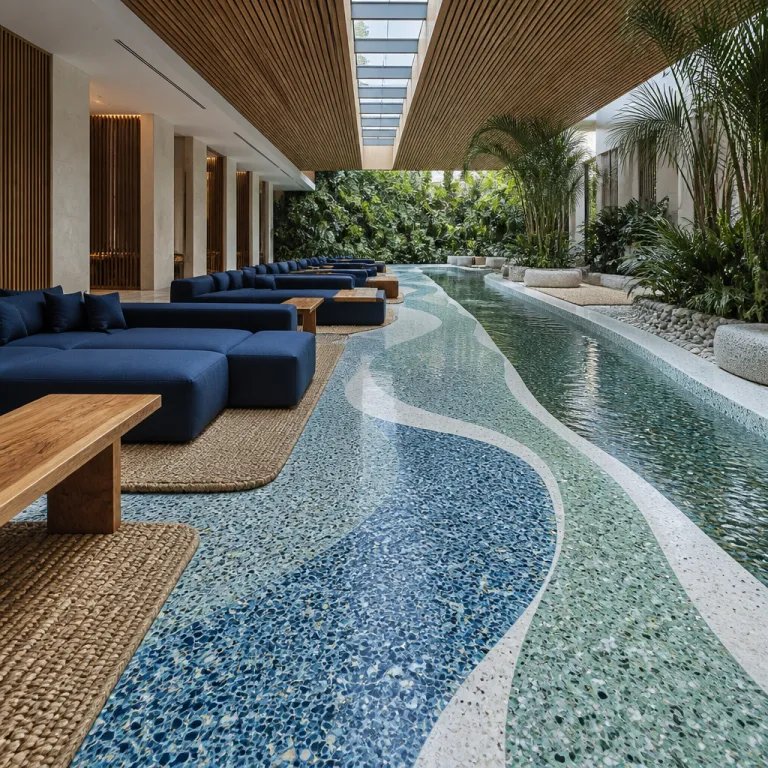
From reception line to living room: how singapore hotel design lobby thinking changed
Walk into a leading singapore hotel today and the first signal of quality is no longer the chandelier above the reception desk. The new singapore hotel design lobby philosophy replaces the old check in ritual with a calm, choreographed arrival where guests move from city street to living room in a few measured steps. In many of the most popular hotels, the traditional hotel lobby counter has shrunk into a discreet island while lobby ambassadors glide through the space with tablets and keyless entry support.
This disappearing front desk is not a design gimmick but a response to how business and leisure travel now overlap in the city. Hospitality groups and Singaporean hotel designers have spent years rethinking hotel design so that every square metre of lobby interior earns its keep as co working zone, gallery and social hub. Industry data shows that a significant percentage of hotels have redesigned their lobbies and that lobby generated revenue has risen, which confirms that the new lobby design is as commercial as it is aesthetic.
In this context, the singapore hotel design lobby becomes a strategic asset rather than a decorative prelude to the room. Hotel lobbies are now planned with the same intensity as a guest room, with interior design teams mapping power sockets, sightlines and circulation as carefully as they select marble or timber. For travellers planning a stay Singapore wide, the smartest move is to read the lobby first because it reveals how the rest of the hotel will perform.
The lobby as workspace: where singapore hotel design meets laptop life
For the executive extending a business trip, the singapore hotel design lobby can make or break the day before the first meeting. In the Central Region of Singapore, many luxury hotel operators now treat the lobby as a flexible office where guests can move between coffee, calls and quick catch ups without feeling they are squatting in a restaurant. The best hotel lobbies in the city offer strong Wi Fi, generous desk height tables, quiet corners and a lobby bar that understands the difference between a flat white at 09.00 and a martini at 19.00.
At Pan Pacific Singapore, the soaring atrium lobby interior has been reprogrammed with lounge clusters that feel like semi private work pods, while the nearby Marina Bay district has hotels where the lobby design flows directly into co working style spaces overlooking the bay. The Warehouse Hotel on the riverfront turns its industrial warehouse volume into a calm, brick framed lobby space where guests can work under soft light before heading to a meeting in the city. If you are choosing between elevated rooms and mezzanine experiences across several hotels, it is worth reading a detailed guide to inspiring hotel spaces before you book, especially when your stay Singapore side will mix boardrooms and late check outs.
Even heritage names have adapted, with Raffles Hotel Singapore using its verandas and lobby adjacent salons as quiet zones where business travellers can work between appointments. In these properties, hotel design choices such as acoustic panels, textured rugs and layered lighting are not decorative flourishes but tools that keep conversations confidential and screens readable. When a singapore hotel invests in this level of lobby interior design, it signals that the rest of the hotel rooms and meeting spaces will support serious work as well as leisure.
Cultural stages: when a singapore hotel lobby becomes the city’s front row
Another strand of the singapore hotel design lobby revolution is cultural rather than corporate. Many hotel lobbies across the city now function as informal galleries where local artisans, photographers and designers show work that reflects Singapore’s layered history. This shift aligns with a broader move towards experiential hospitality, where guests are invited to engage with the destination before they even reach their room.
In the Marina Bay area, several luxury hotel properties curate rotating art installations that frame views of the bay and the Marina Bay Sands skyline, turning the lobby bar into a front row seat on the city. The Warehouse Hotel uses its restored warehouse structure to host design focused events and talks, while its lobby interior showcases archival photographs that explain the building’s past life on the river. At the same time, Pacific hotel brands and Pan Pacific properties collaborate with interior design firms and local artists to create lobby spaces that feel like contemporary salons rather than transient corridors.
Heritage icons such as Raffles Hotel and Mandarin Oriental Singapore lean into their singapore iconic status by commissioning pieces that reference Peranakan tiles, tropical park landscapes and the nearby marina. Guests who are visually driven often save images of these hotel lobbies to personal Pinterest boards, using them as a mood board for future travel and design projects. When you plan a stay Singapore wide with culture in mind, choosing a singapore hotel whose lobby design doubles as a cultural venue can be as rewarding as booking a museum tour.
Reading the room: what lobby design reveals about your stay
One of the most useful skills for frequent travellers is learning to read a singapore hotel design lobby the way a local architect would. Materials, lighting and spatial proportions in the hotel lobby are reliable indicators of how the rest of the hotel singapore experience will unfold. If the lobby interior feels coherent, comfortable and well maintained, the odds are high that the guest room floors and service culture will match that standard.
Look first at how the reception zone is handled, because it tells you how the hotel thinks about guests. A single, long counter with a queue snaking into the space usually signals a more transactional approach, while dispersed check in points and roaming staff suggest a focus on personalised service and efficient travel routines. When you see thoughtful lobby design details such as intuitive signage, clear paths to lifts and subtle zoning between social and quiet areas, you can expect similar clarity in the way the hotel manages everything from breakfast to late night room service.
Lighting is another quick read, especially in singapore luxury properties where day and night atmospheres must balance business and leisure. A well designed singapore hotel lobby will use layered light to shift from morning brightness to evening intimacy without turning the space into a nightclub. As one industry summary puts it, “Why are hotel lobbies becoming social hubs? To enhance guest experience and increase revenue.” and “How do redesigned lobbies impact guest satisfaction? They offer multifunctional spaces for work and leisure, improving overall experience.”
Heritage, baylines and the future of singapore hotel lobbies
Singapore’s architectural advantage lies in the tension between conserved buildings and glass lined towers, and the singapore hotel design lobby is where that dialogue feels most immediate. In the civic district, colonial era structures now house singapore luxury properties whose lobby interiors respect original columns and arches while introducing contemporary furniture and technology. Across the bay, new hotels in the Marina Bay and Bay Sands precincts frame the skyline with double height glazing and sculptural staircases that turn arrival into theatre.
Operators from Warehouse Hotel to Pan Pacific and Mandarin Oriental understand that guests want both narrative and function from a singapore hotel today. Many have partnered with interior design agencies and local artisans to create lobby spaces that reference nearby park landscapes, waterfront promenades and the marina without slipping into theme park territory. For travellers interested in using the city as a wellness reset rather than a rushed stopover, guides to slow travel in a twenty four seven city can help identify hotels whose lobby design supports a calmer rhythm.
Across these properties, the singapore hotel design lobby has become a testing ground for hyper personalised service, from AI assisted check in flows to tailored lighting scenes that adjust to time of day. The most successful luxury hotel operators treat the lobby as a living prototype, refining hotel design details based on how guests actually use the space. When you plan your next stay Singapore side, choosing a hotel where the lobby feels like a destination in its own right is one of the most reliable ways to secure a stay that works as hard as you do.
FAQ
How are singapore hotel lobbies changing for business travellers ?
Many singapore hotel design lobby projects now prioritise co working features such as ample power outlets, strong Wi Fi and varied seating. Luxury hotel operators in the city are shrinking traditional reception desks and expanding flexible lounge zones that support informal meetings. This shift allows guests to move seamlessly between work, social time and travel logistics without leaving the lobby.
What should I look for in a lobby if I plan to work there ?
Focus on lobby interior elements that indicate serious workspace thinking, including comfortable table heights, task lighting and clear acoustic separation from the main lobby bar. In well planned hotel lobbies, you will also notice discreet staff presence and easy access to coffee or light snacks throughout the day. These design cues usually mean the hotel understands how business and leisure travel now blend during a stay Singapore wide.
Why are more hotels using lobbies as cultural spaces ?
Operators in Singapore have realised that a singapore hotel design lobby can introduce guests to local culture before they explore the city. By integrating rotating art, design installations and collaborations with local artisans, hotels create a sense of place that goes beyond generic luxury. This approach also encourages non resident visitors to use the lobby as a meeting point, which supports both revenue and community engagement.
How does lobby design affect overall guest satisfaction ?
When a hotel invests in thoughtful lobby design, it usually reflects a wider commitment to service quality and interior design consistency. Guests experience smoother arrivals, clearer wayfinding and more comfortable spaces for waiting, working or socialising, which reduces friction throughout the stay. Over time, these details translate into higher satisfaction scores and stronger loyalty for singapore hotel brands.
Are heritage and waterfront hotels different in their lobby approach ?
Heritage properties such as long established singapore luxury hotels often emphasise architectural details and historical storytelling in the lobby, while waterfront hotels near Marina Bay or Bay Sands highlight views and contemporary lines. Both types now blend technology with design, using tools like mobile check in and subtle lighting control to keep the experience efficient. Your choice between them should depend on whether you prefer a narrative rooted in history or a lobby that frames the modern skyline.