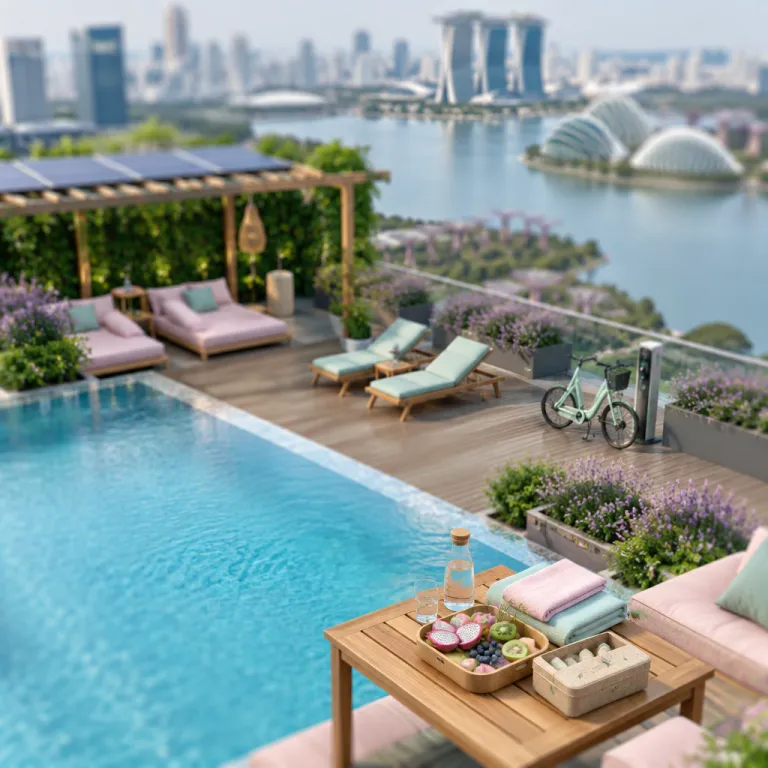
Why World Tourism Day matters more in Singapore than almost anywhere
World Tourism Day lands differently in Singapore, where density, design and detail make responsible tourism feel tangible. In this compact city state, responsible tourism Singapore is not a slogan but a set of measurable sustainability efforts that shape how you sleep, eat and move. The tourism industry here has treated sustainability as a way to protect cultural heritage and support local communities while still delivering serious comfort.
For luxury travelers, that means your stay can be both deeply indulgent and quietly sustainable, with responsible travel choices built into the city’s infrastructure. Singapore sustainable planning keeps public transport fast, air conditioned and intuitive, so you can cross the bay from Marina Bay Sands to the Civic District without adding much carbon to your travel footprint. This is where sustainable tourism and high design meet, from green building standards to hotel energy management systems that reduce waste without dimming the mood lighting.
Responsible tourism in Singapore also has a regional role, because the city is a hub for southeast Asia and a testing ground for sustainable urban ideas that ripple across the region. When you book a premium room here, you are stepping into a tourism Singapore ecosystem that is trying to develop best practices for low impact luxury in a warming climate. The question is not whether sustainability is present, but how far each property goes in turning responsible tourism principles into real guest experiences.
How to read Singapore’s green hotel credentials without the greenwash
In Singapore, sustainability labels are everywhere, but not all are created equal for responsible travelers. The most credible signals for responsible tourism Singapore are independent certifications such as BCA Green Mark, EarthCheck and the Global Sustainable Tourism Council, which audit energy use, water efficiency and carbon management. Before you book, look for hotels that explain how their sustainability efforts work in practice, not just in marketing copy.
Properties that take sustainable tourism seriously will publish data on reduced energy consumption, low carbon operations and responsible supply chain choices, from seafood sourcing to linen laundering. These hotels tend to integrate green building design with smart systems that learn guest patterns and adjust lighting or cooling automatically, which is where sustainability meets comfort rather than fights it. For a clear breakdown of what each certification actually measures, use a specialist guide to Singapore hotel sustainability certifications before you commit to a room.
The most interesting shift in the tourism industry is that sustainable travel is moving from back of house to front of house, where guests can see and feel the impact. Some luxury properties now position a centre responsible for sustainability within their management structure, giving it the same weight as revenue or marketing. When that happens, sustainability practices stop being a checklist and start shaping experiences, from low waste breakfasts to partnerships that support local communities in southeast Asian destinations connected to Singapore.
Responsible luxury in action: stays and experiences worth a September trip
If you are planning a World Tourism Day escape, Singapore rewards travelers who care about both service and sustainability. Around Marina Bay, several flagship hotels now pair skyline views with responsible tourism Singapore initiatives, such as funding mangrove restoration in southeast Asia or backing heritage food programmes that protect local recipes. These stays turn responsible travel into something you can taste, see and learn from, rather than a quiet line on a corporate report.
Look for properties that link each night of your stay to specific sustainability efforts, whether that is supporting a local communities project in nearby southeast Asian islands or investing in low carbon energy upgrades on site. Some hotels in the Civic District and Orchard area now run guided walks that highlight Singapore sustainable urban planning, from shaded arcades to park connectors that reduce tourism impact on fragile green spaces. Others curate small group experiences with craftspeople whose work keeps cultural heritage alive, ensuring that your tourism Singapore spend directly supports local artisans.
Bathroom shelves tell their own story, and the most forward thinking luxury hotels now offer eco conscious amenities without sacrificing texture or scent. If you want a shortlist of central properties that balance high thread count sheets with low waste, explore this guide to eco conscious luxury stays in central Singapore. These hotels treat sustainable tourism as a design brief, not a constraint, proving that responsible experiences can feel richer, not thinner.
Low impact ways to explore: from gardens by the bay to hawker centres
Once you have checked in, the most responsible tourism Singapore move is to keep your transport light and your curiosity heavy. The city’s Mass Rapid Transit network, buses and park connectors make sustainable travel almost effortless, letting you glide from the Southern Ridges to Kampong Glam with minimal carbon impact. Walking routes are shaded, signed and often punctuated by food courts, so responsible travel here still comes with excellent laksa.
Start at Gardens by the Bay, where the Supertree Grove and conservatories showcase how a dense city can weave green spaces into its tourism industry without overwhelming local communities. The wider gardens by the bay precinct is a live laboratory for sustainable urban ideas, from rainwater harvesting to energy efficient cooling, and it anchors many responsible tourism experiences that pair nature with design. From there, follow the waterfront towards the bayfront area and into neighbourhoods where small businesses quietly supports local culture through food, textiles and music.
World Tourism Day is also a prompt to look beyond the skyline and think about tourism impact across southeast Asia, because Singapore often acts as the gateway to destinations in Malaysia, Indonesia and India. Choosing a hotel that is transparent about its regional supply chain, from where its seafood is caught to how its staff training programmes develop skills, can reduce the hidden climate and carbon costs of your trip. For a deeper sense of how Orchard Road and its surroundings are evolving towards more sustainable practices, read this insider take on Orchard Road’s next chapter before you book.
FAQ
What does responsible luxury mean in Singapore’s hotel scene ?
Responsible luxury in Singapore means high end hotels that integrate sustainability into operations without compromising comfort. This can include energy efficient systems, low carbon design, responsible supply chain choices and partnerships that support local communities. In practice, responsible tourism Singapore properties will be transparent about their sustainability efforts and how guest spending contributes to long term impact.
How can I make my Singapore trip more sustainable without sacrificing comfort ?
Use public transport and park connectors to reduce your travel emissions while still moving quickly between districts. Choose hotels with credible sustainable tourism certifications and clear information about their practices, from energy use to waste reduction. Then focus your experiences on neighbourhood food, cultural heritage walks and green spaces such as Gardens by the Bay, where tourism impact is carefully managed.
Are Singapore’s luxury hotels really better for the climate than elsewhere in southeast Asia ?
Singapore’s dense, transit rich layout and strict building standards give its hotels a structural advantage in reducing carbon and energy use. Many properties operate within a national framework that encourages green building and sustainable urban planning, which can lower tourism impact compared with more car dependent destinations. That said, responsible travel still depends on each hotel’s specific practices and on how you move, eat and shop during your stay.
Which areas are best for responsible travelers who want both nature and city access ?
Marina Bay and the Bayfront area place you close to Gardens by the Bay and the waterfront, with easy MRT links to heritage districts and hawker centres. The Civic District offers walkable access to museums, cultural heritage sites and the river, while still connecting quickly to green corridors such as the Southern Ridges. These locations make it simple to balance urban experiences with low impact time in parks and gardens.
Can I combine a Singapore stay with more responsible trips elsewhere in southeast Asia or India ?
Yes, Singapore works well as a hub for sustainable travel across southeast Asia and India, especially if you choose airlines and routes that publish clear carbon data. Many hotels here partner with conservation or community projects in nearby countries, so your stay can indirectly support regional sustainability efforts. When planning onward journeys, look for operators that follow best practices for responsible tourism and that openly supports local communities at your next destination.