Why singapore hotel dining trends 2026 start in the hotel kitchen
Singapore’s luxury hotels are quietly reshaping what a high end restaurant means. As singapore hotel dining trends 2026 evolve, the focus is shifting from flown in trophies to a hospitality industry that treats sourcing as seriously as service, and that change is redefining every guest experience. Couples booking a weekend stay now judge a property as much by its food narrative as by its skyline views.
This shift sits inside a wider hospitality outlook where sustainability, food security and human centric design are no longer marketing lines but operational KPIs. The Singapore Food Agency has pushed hotels toward local partnerships, and more than one hundred properties now hold Farm to Table recognition, which signals to hospitality businesses that regenerative hospitality is becoming a baseline rather than a niche. When you read a hotel’s dining page, you are effectively reading a report on how that property understands future hospitality and its place in the global market for luxury stays.
For travelers, this means singapore hotel dining trends 2026 are less about the latest imported caviar and more about immersive experiences built around origin, technique and the human touch. Hotels will still serve Champagne and caviar, but the credit now often goes to local farmers, aquaponic systems and chefs willing to trade predictability for terroir. In this new phase of the hospitality industry, experiences guests remember tend to be the ones where a sous chef walks you through the rooftop farm rather than the wine cellar alone.
From hawker stall to tasting menu: the rise of regional ingredients
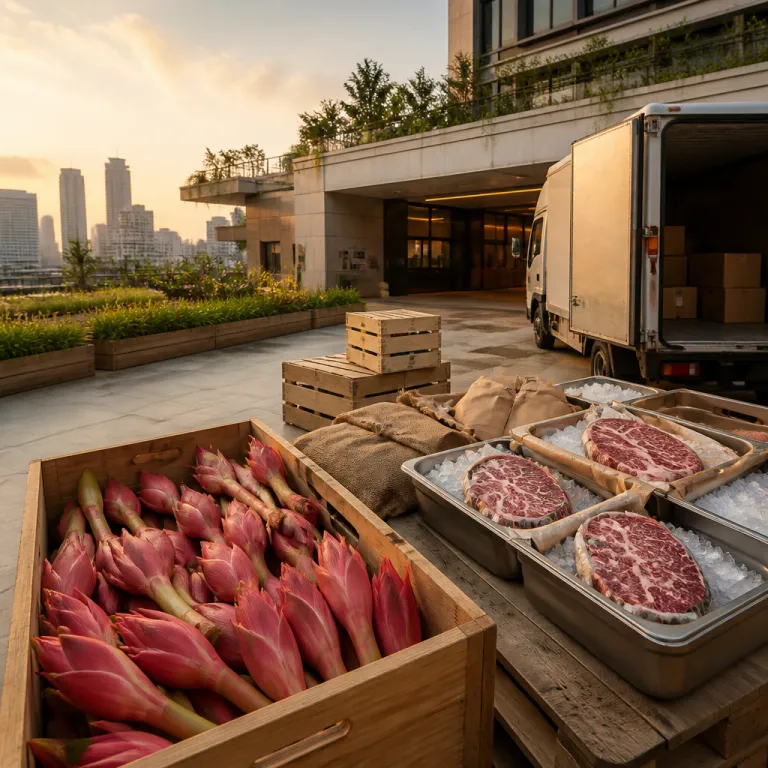
The most striking thread in singapore hotel dining trends 2026 is how hawker stall ingredients are moving into tasting menus. Bunga kantan, jungle garlic, ulam raja and moringa leaf now appear in sauces, oils and broths at flagship restaurants, turning familiar food memories into layered guest experiences. When a chef plates a sous vide snapper with ginger flower emulsion, the experience feels both deeply local and quietly luxurious.
Hotel chefs, working closely with the Singapore Food Agency and local farmers, are using vertical gardens and aquaponic systems to secure fresher produce while cutting food waste. This is regenerative hospitality in practice, where hospitality businesses treat every herb and leaf as part of a larger ecosystem rather than a garnish, and where immersive experiences begin long before a plate reaches the table. The Farm to Table Recognition Programme has become a kind of informal credit score for sustainability, signalling which hotels will invest in long term relationships with producers instead of short term imports.
For couples booking a suite and planning a romantic dinner, the impact of these industry trends is tangible in both taste and texture. A room service menu built around local vegetables, sustainable seafood and careful sous vide preparations can feel as considered as a lobby restaurant, especially at properties that treat in room dining as a serious restaurant extension rather than an afterthought, as seen in this guide to refined in room dining elegance. In this context, singapore hotel dining trends 2026 are not abstract forecasts but very human centric choices that shape how you eat, sleep and remember the stay.
Hanwoo beef, Japanese wine and the new luxury benchmark
While regional plants are moving centre stage, imported icons still matter in singapore hotel dining trends 2026. The arrival of Hanwoo beef through a recent trade agreement has given hotel restaurants a new tool in their rivalry with Tokyo and Hong Kong, where wagyu long dominated the luxury steak narrative. In Singapore, chefs are pairing Hanwoo with Southeast Asian aromatics, creating immersive experiences that feel less copy pasted and more site specific.
Japanese wine imports have nearly tripled over a four year period, and that growth is reshaping wine lists from Marina Bay to the Central Region. Sommeliers now pour koshu with moringa scented seafood or pair delicate Japanese reds with jungle garlic glazed duck, aligning beverage programmes with the same sustainability and provenance logic that drives the kitchen. These moves reflect a hospitality outlook where hotels will balance regional sourcing with targeted, high value imports that genuinely elevate guest experiences rather than inflate the bill.
For travelers planning peak season stays, understanding these singapore hotel dining trends 2026 can help you choose properties that match your palate and values. Some hotels still fly in Dover sole and out of season berries, while others lean into line caught local fish and seasonal tropical fruit, a contrast that becomes obvious when you study how hotels operate during the busiest months, as explained in this analysis of what peak season looks like from the hotel side. Couples who care about both flavour and sustainability can use these signals to align their booking with the kind of hospitality they want to support.
Food security, sustainability and the human touch in luxury dining
Behind the scenes, singapore hotel dining trends 2026 are inseparable from the city state’s food security agenda. With limited land and heavy import dependence, Singapore has encouraged hotels to adopt on site urban farming, sustainable seafood sourcing and tighter food waste controls, turning kitchens into quiet laboratories for future hospitality. The Singapore Food Agency, local farm cooperatives and sustainability organisations now form a practical triangle that supports hotels as they rethink sourcing.
For guests, this policy landscape translates into menus that read more like transparent reports than poetic riddles. Provenance notes, line caught labels and aquaculture details are no longer optional footnotes but central elements of the guest experience, especially for couples who want their romantic dinner to feel ethically aligned as well as indulgent. When a menu lists the farm that grew your ulam raja or the hatchery behind your barramundi, it reflects a centric leadership mindset where human centric decisions guide every stage of the supply chain.
What keeps all this from feeling preachy is the human touch that Singapore’s best hotels still prize. Service teams explain sustainability choices in clear, unhurried language, turning potentially dry industry trends into engaging stories that connect plate, place and people. If you want to see this balance of precision and warmth in action, look at properties profiled in guides to elegant stays in the heart of Singapore, where hospitality is measured as much by conversation as by thread count.
How to read hotel menus and choose where to book
For couples scanning singapore hotel dining trends 2026 while planning a trip, the menu has become a powerful decision tool. Start by looking for clear references to local farms, the Farm to Table Recognition Programme and sustainable seafood, because these signals show which hotels will treat sourcing as seriously as design. When a restaurant or cafe highlights ingredients like bunga kantan, moringa leaf or ulam raja, you can expect a more immersive experience than at venues that rely solely on generic imports.
Next, pay attention to how a property talks about its hospitality outlook and guest experience across all dining venues, from lobby cafe to signature restaurants. Hotels that frame their food strategy around regenerative hospitality, reduced food waste and human centric service usually deliver more coherent guest experiences, whether you are at breakfast, by the pool or ordering late night room service. Reading these cues is a practical way to navigate the trillion global hospitality market without getting lost in marketing language.
Finally, remember that singapore hotel dining trends 2026 are not just about what is on the plate but how it gets there. Ask about sous vide techniques, urban farming tours or chef’s counter seats that offer immersive experiences guests rarely forget, because these details reveal the depth of a hotel’s commitment to both craft and care. As Chef François Mermilliod puts it, “Chef François Mermilliod calls it a 'collective awakening' — diners becoming more environmentally conscious”, and that awakening is reshaping how hotels will define luxury for years to come.
FAQ about singapore hotel dining trends 2026
What is the Farm to Table Recognition Programme in Singapore hotels ?
The Farm to Table Recognition Programme is an initiative that highlights hotels and restaurants in Singapore that use a significant proportion of locally produced ingredients. Properties earn recognition by working directly with local farmers, adopting tools such as vertical gardens or aquaponic systems and documenting their sourcing practices. For guests, the label is a quick way to identify hotels that align dining with sustainability and food security goals.
How are singapore hotel dining trends 2026 changing what guests eat ?
Current singapore hotel dining trends 2026 are pushing chefs to replace some imported ingredients with regional produce such as bunga kantan, jungle garlic, ulam raja and moringa leaf. Menus now emphasise sustainable seafood, reduced food waste and transparent sourcing, often supported by the Singapore Food Agency’s guidelines. Guests experience more distinctive flavours that reflect the region while still enjoying international techniques like sous vide cooking and refined wine pairings.
Why does Hanwoo beef matter for luxury hotel restaurants in Singapore ?
Hanwoo beef gives Singapore’s hotel restaurants a new premium option that competes directly with Japanese wagyu served in Tokyo and Hong Kong. Its arrival through a trade agreement allows chefs to design tasting menus that combine Korean beef quality with Southeast Asian aromatics, creating unique regional expressions of luxury. For travelers, it signals that Singapore is serious about staying at the forefront of high end meat programmes while still balancing sustainability considerations.
How can I tell if a hotel restaurant in Singapore is serious about sustainability ?
Look for clear information about local farm partnerships, participation in the Farm to Table Recognition Programme and detailed notes on seafood sourcing and traceability. Serious properties often showcase on site urban farming, highlight efforts to cut food waste and train staff to explain sourcing decisions in a straightforward way. When menus read like honest reports rather than vague marketing, you are usually looking at a restaurant that treats sustainability as part of its core hospitality strategy.
Are locally focused hotel menus in Singapore more expensive than traditional ones ?
Prices at locally focused hotel restaurants can be comparable to traditional luxury venues, because savings from shorter supply chains sometimes offset the cost of specialised farming and small scale production. What changes more noticeably is the value proposition, with guests paying for fresher ingredients, stronger sense of place and more immersive experiences rather than for air freighted status items alone. Couples who care about both taste and ethics often find that these menus deliver better overall return on their dining budget.