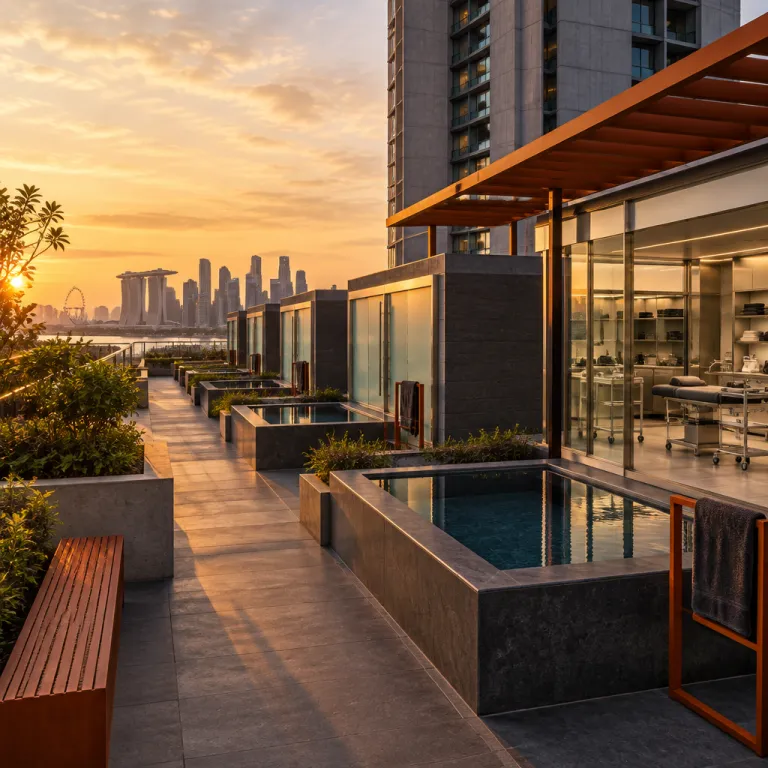
From spa day to data point: why longevity is the new upgrade
In Singapore’s top properties, wellness has shifted from scented candles to lab-style diagnostics. The most forward-looking longevity-focused hotels now emphasise measurable changes in sleep, stress and biological age rather than a vague sense of relaxation. For the business-leisure guest, that means your next hotel stay can double as a precision health check, not just a jet lag recovery zone.
This new wave of luxury wellness is built on the language of longevity science, preventive medicine and performance. You will see terms like longevity medicine, healthy ageing and evidence-based therapy on treatment menus that sit beside classic massages and facials. The promise is clear: short, targeted sessions that fit between meetings yet claim long-term benefits for your body, brain and overall healthspan.
At the core of these longevity-oriented hotels in Singapore is a shift from pampering to protocols. Programmes are often based on medical-style assessments that track biological ageing, cognitive function and physical fitness over several days. When you book a hotel in Singapore now, you are increasingly choosing between a simple spa and a longevity clinic experience that treats your stay as a structured starting point for a longer, healthier life.
What medical-grade wellness looks like in a Singapore hotel
Walk into the new generation of hotel clinics in Singapore and the first thing you notice is the equipment. Hyperbaric oxygen chambers, cryotherapy cabins, IV therapy chairs and cognitive training stations sit where relaxation lounges once dominated. These are the hardware of longevity-led hospitality, designed to compress a week of recovery into a single business trip.
Medical-grade wellness in a hotel setting usually starts with diagnostics and screening. You might complete validated questionnaires, body composition scans and sleep tracking before a practitioner prescribes a mix of hyperbaric oxygen therapy, cold plunge sessions, physical therapy and targeted fitness work. In better-run facilities, these plans are overseen by physicians or allied health professionals rather than only spa staff, and you are told clearly which therapies are experimental, which are supported by clinical evidence and which are mainly for comfort.
The language can feel clinical, but the goal is still deeply human. By focusing on biological age rather than just birthdays, these programmes aim to extend healthy longevity, not simply lifespan. Research from groups such as the National University of Singapore’s Centre for Healthy Longevity highlights how sleep, strength, metabolic health and cognitive resilience contribute to more productive years, and hotel-based clinics increasingly frame their offerings around these same pillars.
Longevity suites, residency stays and the rise of chi-led programmes
Some properties now go beyond treatment rooms and build full longevity suites for guests who want an immersive reset. These suites in leading wellness-focused hotels in Singapore often include circadian lighting, advanced air filtration for better oxygen levels and sleep technology that tracks micro-awakenings. The idea is to turn your entire hotel environment into a quiet, evidence-informed laboratory for your own health data.
Residency-style stays are emerging, where you commit to several nights of structured wellness, fitness and therapy rather than dropping in for a single massage. A typical multi-day programme might combine daily cold plunge sessions, supervised hyperbaric oxygen therapy, guided physical training and cognitive exercises designed to protect brain health as biological ageing progresses. In the best cases, these stays are run in partnership with a recognised longevity clinic or a university department, with named medical directors, published protocols and clear explanations of what is still under study.
Across Asia, chi has long been a metaphor for life force, and some Singapore hotels now blend this concept with Western longevity medicine. You may see chi-focused programmes that pair breath work and movement with diagnostics and IV therapy, or a partnership initiative where a hotel works with a specialist operator to design chi-based, evidence-driven rituals. For guests, the test is simple: do these chi-focused suites leave your body and mind measurably better than when you checked in, or just better scented.
Business-leisure guests, scepticism and how to read the evidence
For the executive extending a stay, the appeal of longevity-oriented hotels in Singapore is obvious. You can schedule a hyperbaric oxygen session before breakfast, a quick cold plunge and sauna between calls, then an evening cognitive training block instead of another drink at the bar. The rhythm suits a results-driven traveller who wants every hour in a luxury tower to count toward long-term health.
Yet scepticism is healthy when clinics and spas share the same lift lobby. Not every claim about biological age reversal, longevity medicine or healthy ageing is backed by strong evidence, and not every hotel clinic has the same depth of medical expertise. Before you book, look for clear information on who runs the longevity clinic, what their credentials are, whether therapies are evidence-based and how outcomes are measured beyond vague promises of feeling better.
Pay attention to the basics as much as the tech. A property that talks about healthy longevity should also serve nutrient-dense food, prioritise quiet, dark rooms for deep sleep and offer serious fitness facilities rather than a token treadmill. When you compare options, favour hotels where luxury wellness is more than a marketing term and where your body, mind and schedule are treated with the same precision as your calendar.
Choosing the right longevity programme in Singapore’s luxury hotels
Selecting the right hotel-based programme starts with your goals and your calendar. If you want a meaningful start to a longer health journey, prioritise properties that offer proper intake consultations, follow-up plans and access to practitioners trained in internal medicine, sports medicine or gerontology rather than only spa therapists. Ask directly whether therapies like hyperbaric oxygen, IV infusions or physical therapy are supervised by doctors or licensed allied health professionals, and how they track biological ageing or biological age over time.
Names and partnerships matter in this space because they signal depth rather than trend chasing. When a hotel references a longevity clinic collaboration, look for transparent information about the medical director, research links and whether programmes are described as evidence-based rather than just inspired by wellness trends. If you see references to experts such as Professor Andrea Maier or other academic leaders in healthy longevity, check that their role is clearly defined, that any advisory position is current and that their work is cited accurately rather than used as casual name-dropping.
Finally, trust your own experience once you arrive. A true luxury wellness property will respect your time, explain each therapy in plain language and never oversell long-term results from a single cold plunge or one chi-focused session. The best operators in Singapore will treat your stay as the beginning of a partnership in health, giving you realistic tools to support long-term wellbeing long after checkout and leaving your body quietly grateful rather than promising dramatic transformation overnight.
FAQ
Are longevity focused hotel programmes in Singapore safe for first-time guests ?
Most longevity-focused programmes in Singapore’s luxury hotels are designed with safety protocols and screening questionnaires, especially for therapies like hyperbaric oxygen or cold plunge. You should always disclose medical conditions, medications and recent surgeries before starting any treatment. If a property cannot clearly explain contraindications, emergency procedures or who supervises the clinic, choose a different hotel.
How many days do I need to benefit from a longevity suite stay ?
Meaningful changes in sleep quality, stress markers and physical recovery usually require at least two or three nights in a longevity suite. Shorter stays can still introduce you to diagnostics, cognitive training or targeted therapy, but long-term benefits depend on continuing the habits at home. Use the hotel stay as a structured starting point rather than expecting a complete reset in one day.
What is the difference between a regular spa and a longevity clinic in a hotel ?
A regular spa focuses on relaxation with massages, facials and heat experiences, while a longevity clinic adds diagnostics, medical-style therapies and evidence-based protocols. In a clinic setting you may find hyperbaric oxygen chambers, IV therapy, structured fitness testing and biological age assessments. The goal shifts from short-term pampering to measurable improvements in healthy longevity and long-range health.
Can I fit medical-grade wellness sessions around a busy business schedule ?
Yes, many longevity-oriented hotels in Singapore design compact sessions that fit between meetings, such as 30 minute cryotherapy, 45 minute hyperbaric oxygen therapy or brief cognitive training blocks. Early morning and late evening appointments are common in business districts and near major convention areas. When booking, ask the hotel to map a realistic schedule that respects both your calendar and your body’s need for rest.
How do I know if a hotel’s longevity claims are evidence based rather than marketing ?
Look for transparent information about medical directors, clinical partnerships and published research that supports the therapies offered. Evidence-based programmes will explain mechanisms, risks and expected outcomes in clear language, and they will avoid promising dramatic biological ageing reversal from a single stay. If the hotel can provide practitioner credentials, informed consent forms and structured follow-up options, its claims are more likely to be grounded in real longevity medicine.