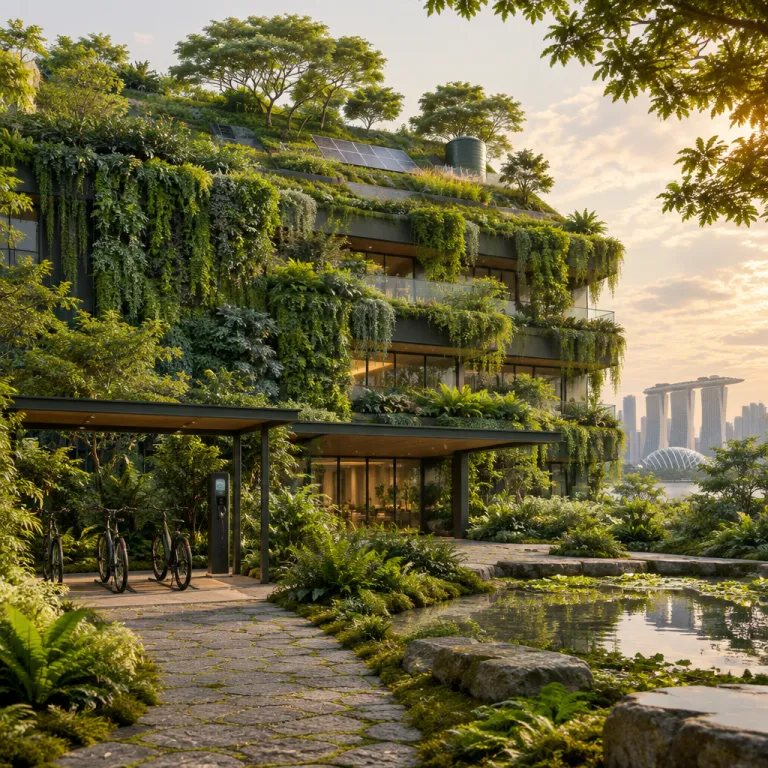
Where sustainable luxury hotels in Singapore start: architecture, not slogans
In Singapore, the most compelling sustainable luxury hotels do not lead with slogans, they lead with architecture. These hotels use biophilic design and genuinely green strategies to reduce energy loads while still feeling indulgent for a couple’s city escape. When you book a hotel in Singapore today, the real question is whether the building itself is working as hard as you are to lower your footprint.
The city’s hospitality scene has moved far beyond token eco gestures and single plants in the lobby. Many luxury hotels in Singapore now integrate vertical greenery, cross ventilation and careful daylighting to reduce artificial lighting and cooling needs. This shift means that sustainable luxury hotels Singapore wide can feel both intensely urban and surprisingly natural at the same time.
Look first at how a hotel handles energy and water before you fall for the infinity pool. A genuinely eco friendly hotel Singapore property will publish its Green Mark certification, explain its renewable energy mix and show how it manages water and waste. When you compare hotels Singapore side by side, the best sustainable options make these data points as visible as their bay views and suite categories.
Biophilic design is not just about plants, it is about performance. The most convincing green hotels in Singapore use greenery to shade façades, cool air and reduce the energy needed for air conditioning. When a hotel describes itself as eco or sustainable, ask how its design choices translate into measurable waste reduction and lower energy use per occupied room.
For couples planning a romantic stay, this architectural focus changes how you browse a collection of properties. Instead of only filtering by marina bay views or spa size, you can look at which hotel Singapore addresses have integrated rainwater harvesting, filtered water systems and serious waste management. Sustainable luxury hotels Singapore wide now compete on these metrics as much as on thread count and champagne brands.
Pay attention to how a hotel talks about food waste and water dispensers, not just about rooftop bars. A property that has invested in energy efficient systems, filtered water in every room and an urban farm on site is usually serious about sustainability. When you see this level of detail, you know the hotel is treating green practice as core infrastructure rather than a marketing collection of buzzwords.
Parkroyal Collection Pickering and the rise of living façades
Parkroyal Collection Pickering is the property that often anchors any conversation about sustainable luxury hotels Singapore travellers actually feel in their bones. The hotel’s cascading sky gardens, layered terraces and lush collection of plants create a living façade that shades the building and reduces heat gain. From the moment you arrive, you sense that this is a hotel in Singapore where green architecture is not an afterthought.
The design by WOHA uses thick planters and vertical greenery to cool the air naturally before it reaches guest room corridors. This biophilic design strategy helps reduce the energy needed for mechanical cooling while giving couples a rare sense of privacy in the middle of downtown Singapore. When you walk the garden decks at Parkroyal Collection Pickering, you feel suspended between city and canopy, with traffic noise softened by foliage and water.
Behind the scenes, the hotel’s systems matter as much as its sculptural form. Parkroyal Collection properties, including this flagship in Pickering, have invested in energy efficient chillers, LED lighting and smart controls that reduce energy waste when rooms are unoccupied. The result is a luxury hotel that quietly lowers its operational footprint while still delivering the best amenities and service levels expected in hotels Singapore wide.
Water is treated as a resource, not a decorative element. The hotel uses efficient fixtures, filtered water dispensers on guest floors and strategies to reduce unnecessary water use in back of house operations. When you see filtered water offered instead of single plastics bottles in your room, you are witnessing a structural choice that cuts both waste and logistics.
Food and beverage operations at Parkroyal Collection Pickering also reflect a more thoughtful approach. The culinary team works to reduce food waste through careful menu planning, smaller batch cooking and partnerships that redirect surplus where possible. For guests, this means you can enjoy a generous breakfast spread or a farm table style dinner knowing that waste management has been considered from sourcing to plate.
For couples comparing sustainable luxury hotels Singapore options, this property sets a benchmark. It shows how a Singapore Parkroyal address can combine a dramatic urban farm aesthetic with serious waste reduction and water saving measures. If you want a hotel where eco friendly design, natural greenery and luxury service coexist, Parkroyal Collection Pickering should sit near the top of your shortlist, alongside other carefully vetted properties in an elegant city guide to the best hotels in Singapore for a memorable stay.
From Marina Bay icons to hidden green retreats
Marina Bay remains the postcard view for many visitors, yet the story of sustainable luxury hotels Singapore side is more nuanced than a skyline shot. Around the bay, several hotels have upgraded systems to become more energy efficient while preserving their dramatic architecture. When you book a room here, you can now ask how much of that glittering façade is powered by renewable energy or supported by Green Mark certified retrofits.
Some Marina Bay properties have introduced rainwater harvesting systems that capture water from vast roof surfaces for irrigation and cooling towers. This reduces reliance on potable water and helps the hotel manage its overall water footprint in a dense part of Singapore. For couples, the romance of a bay view now comes with the reassurance that the hotel is not wasting water to keep its gardens and pools pristine.
Beyond the bay, a quieter wave of green hotels has emerged in neighbourhoods like Tanjong Pagar, Orchard and the civic district. These hotels Singapore wide may not shout about sustainability, yet they integrate eco friendly materials, natural ventilation in public spaces and thoughtful waste management. When you step into a lobby that feels cool without aggressive air conditioning, you are likely experiencing good passive design rather than just strong machinery.
Look for hotels that explain how they reduce food waste at breakfast buffets and banqueting. Some now use smaller plates, live cooking stations and digital forecasting to align production with actual demand, which significantly cuts waste. Others have introduced filtered water systems and elegant water dispensers in meeting spaces to eliminate single plastics bottles without compromising on service.
Pool decks have become another arena where sustainability and luxury intersect. Properties that once focused only on dramatic infinity edges now talk about energy efficient pool pumps, LED underwater lighting and smart filtration that reduces water and energy use. If you are planning long pool days, it is worth reading how your chosen hotel manages these systems, especially at properties featured in guides to how Singapore’s hotel pools became full day social venues.
For couples seeking a more resort like feel without leaving the city, some hotels integrate urban farm terraces and shaded courtyards into their design. These spaces cool the building envelope, support herbs and edible plants for the kitchen and create a natural buffer from the city’s intensity. When evaluating sustainable luxury hotels Singapore wide, these quieter retreats can feel more intimate and genuinely green than the most photographed towers on Marina Bay.
How to read beyond the greenwash when booking
When you scroll through a collection of hotel options, it can be hard to separate genuine eco performance from polished marketing. Many hotels now use words like green, eco friendly and sustainable, yet only some have the architecture and systems to back those claims. As a couple planning a stay, you need a quick way to read between the lines before you commit to a room.
Start by looking for clear references to Green Mark or other credible building certifications, not just generic sustainability badges. A hotel that has invested in a certified green design usually explains how its façade, shading and ventilation reduce energy use. If the website only mentions towel reuse and single plastics reduction, you are probably seeing surface level initiatives rather than structural change.
Next, examine how the hotel talks about water and waste management. Strong performers will describe rainwater harvesting, filtered water systems, water dispensers on guest floors and strategies to reduce food waste in restaurants. When a hotel explains its waste reduction targets and how it separates, tracks and treats waste, you can be more confident that sustainability is embedded in operations.
Energy is another key filter. Look for mentions of energy efficient chillers, motion sensors in corridors, LED lighting and any use of renewable energy, even if partial. Hotels that share their progress on reducing energy per occupied room are usually more serious than those that only highlight a few eco amenities in the spa.
Guest facing details also tell a story. If your room offers filtered water in glass bottles, clear recycling options and information about how the building’s design keeps spaces naturally cool, you are likely in one of the better green hotels. When staff can explain why certain systems exist, from water dispensers to smart blinds, you know sustainability has been part of their training, not just a line on the website.
Finally, trust your senses when you arrive. A hotel that feels naturally bright, with generous daylight and natural materials, often uses less artificial lighting and cooling. If you notice abundant greenery, comfortable temperatures and thoughtful circulation without constant mechanical noise, you are probably staying in one of the sustainable luxury hotels Singapore travellers will remember for the right reasons, similar in spirit to the properties highlighted in resort mode stays that make you forget the skyline.
Inside the systems: water, waste and food at work
The most interesting part of sustainable luxury hotels Singapore wide is often invisible to guests. Behind the polished lobby, engineers and chefs are working with detailed data on water, energy and waste to keep the footprint low. When you understand these systems, you start to see why some hotels deserve the label eco friendly while others are still catching up.
Water management is a critical pillar in dense urban Singapore. Leading hotels use low flow fixtures, dual flush systems and sometimes rainwater harvesting to reduce reliance on treated water for irrigation and cooling. Many now provide filtered water in rooms and public areas, using elegant dispensers and glassware to eliminate single plastics without compromising the luxury feel.
Waste management has also become more sophisticated. Hotels track different waste streams, from general waste to recyclables and food waste, using data to target waste reduction where it matters most. In kitchens, chefs adjust purchasing and preparation to minimise food waste, while some properties send organic waste to biodigesters or external partners for energy recovery.
Energy systems are where architecture and engineering meet. A well designed hotel uses shading, insulation and natural ventilation to reduce the cooling load before any machinery switches on. Efficient chillers, heat recovery systems and smart controls then ensure that the remaining energy demand is met as efficiently as possible, sometimes with a contribution from renewable energy sources.
For guests, these back of house choices translate into subtle differences in how a hotel feels and functions. Corridors that are bright with natural light, rooms that stay cool without aggressive air conditioning and public spaces that feel fresh rather than over perfumed all signal good design. When you see clear communication about these systems, you can be confident that the hotel is not just talking about being green but actually working to reduce its footprint.
Couples who care about sustainability can ask specific questions before booking. You might ask how the hotel handles food waste from breakfast buffets, whether filtered water is available throughout the property and how often waste audits are conducted. The more precise the answers, the more likely you are dealing with one of the best sustainable luxury hotels Singapore has to offer, rather than a property relying on vague eco language.
What couples actually feel: comfort, romance and quiet sustainability
For a couple, the test of sustainable luxury hotels Singapore side is simple. Does the hotel feel effortlessly comfortable and romantic while quietly doing the hard work of reducing impact behind the scenes ? When architecture, systems and service align, you sense that balance from the first evening turn down.
Biophilic design plays a big role in this emotional response. Rooms that open onto greenery, with natural materials and soft daylight, feel more restful than sealed glass boxes, even in the same city. When a hotel uses plants, water and texture to create a natural atmosphere, it often reduces the need for harsh lighting and heavy cooling at the same time.
Thoughtful details reinforce this sense of considered luxury. A carafe of filtered water on the farm table in your suite, rather than a row of single plastics bottles, signals both care and confidence. Menus that highlight ingredients from an on site urban farm or nearby producers show that the hotel is thinking about sourcing, not just presentation.
Sound and air quality matter as much as visuals. Hotels that rely on good insulation, cross ventilation and efficient systems often feel quieter and fresher than those that simply blast air conditioning. When you wake up without the dryness or noise you associate with older hotels, you are experiencing the benefits of energy efficient design in a very personal way.
Romantic experiences can also be shaped by sustainability choices. A candlelit dinner on a terrace surrounded by vertical greenery, with herbs picked from the hotel’s own urban farm, feels more intimate than a generic dining room. When staff explain how the hotel reduces food waste or supports local producers, it adds a layer of meaning to the meal without turning it into a lecture.
Ultimately, the best green hotels in Singapore make sustainability feel like part of the luxury, not a compromise. You enjoy the bay breeze on a shaded balcony, the softness of natural fabrics and the calm of a well insulated room, while the building quietly manages water, energy and waste in the background. That is the promise of biophilic by design hospitality for couples who want both romance and responsibility in their stay.
How to choose your sustainable stay on mysingaporestay.com
When you use a curated platform to book, the work of comparing sustainable luxury hotels Singapore wide becomes more manageable. Instead of sifting through every hotel’s marketing claims, you can focus on properties where architecture, systems and service have already been assessed. For couples, this means more time planning hawker centre dinners and less time decoding sustainability jargon.
Start by filtering for hotels that clearly communicate their Green Mark status or equivalent building certifications. These labels indicate that the hotel’s design, from façade to mechanical systems, has been evaluated for energy and water performance. Within that subset, look for properties that also talk about waste reduction, food waste strategies and the elimination of unnecessary single plastics.
Next, read how each hotel describes its relationship with nature and the city. Properties that highlight biophilic design, urban farm terraces or generous greenery often deliver a more calming experience for couples. When a hotel explains how its design reduces the need for artificial cooling and lighting, you know that sustainability is embedded in the building, not just in optional programmes.
Pay attention to room level details in the descriptions. Look for mentions of filtered water, energy efficient lighting, natural materials and smart controls that reduce energy waste when you are out exploring Singapore. These features show that the hotel has considered sustainability at the scale of your daily rituals, not only in the lobby.
Finally, consider how the hotel’s location fits your version of a romantic, low impact stay. A property near Marina Bay might allow you to walk to major sights, reducing transport emissions, while a greener retreat slightly further out could offer more space, natural surroundings and quieter evenings. Either way, choosing a hotel that has invested in serious green architecture and operations is one of the most effective ways to reduce the footprint of your Singapore trip without sacrificing luxury.
Key figures behind Singapore’s green hotel architecture
- According to the Building and Construction Authority of Singapore, more than 40 percent of buildings by gross floor area have achieved Green Mark certification, showing how widely green design principles now shape hotels and other properties across the city.
- Singapore’s national water agency PUB reports that water demand is projected to almost double by mid century, which is why hotels are increasingly adopting rainwater harvesting, efficient fixtures and recycled water systems to manage their share of consumption.
- The International Energy Agency estimates that buildings account for around 30 percent of global final energy consumption, making energy efficient hotel design and operations a critical lever for reducing emissions in dense urban destinations like Singapore.
- The United Nations Environment Programme has highlighted that food waste contributes up to 10 percent of global greenhouse gas emissions, a figure that underpins why leading hotels in Singapore now track and actively reduce food waste in their kitchens and buffets.
FAQ about sustainable luxury hotels in Singapore
How can I tell if a Singapore hotel is genuinely sustainable ?
Look for clear information about Green Mark or other credible certifications, not just generic eco labels. Genuine sustainable luxury hotels Singapore wide will explain how their design reduces energy and water use, and how they manage waste and food waste. If a hotel only mentions towel reuse and single plastics reduction, it is likely focusing on surface level measures.
Are sustainable luxury hotels in Singapore more expensive than regular hotels ?
Room rates at sustainable luxury hotels Singapore side can be similar to other premium properties in the same area. While green buildings may cost more to construct, efficient systems often reduce operating costs over time. Many hotels choose to compete on value and experience rather than charging a premium solely for sustainability.
What should couples look for in a green hotel room ?
In a genuinely eco friendly hotel Singapore property, you should see filtered water instead of single plastics bottles, energy efficient lighting and clear options for recycling. Natural materials, good daylight and comfortable temperatures without aggressive air conditioning are also positive signs. Smart controls that reduce energy use when you leave the room indicate thoughtful design.
Do Singapore’s green hotels compromise on comfort or luxury ?
Well designed green hotels in Singapore usually enhance comfort rather than reduce it. Biophilic design, better insulation and efficient systems can create quieter, fresher rooms and more pleasant public spaces. The best sustainable luxury hotels Singapore offers integrate these features so seamlessly that guests experience them as elevated comfort, not compromise.
How does staying in a sustainable hotel reduce my trip’s footprint ?
When you choose a hotel that uses less energy and water per occupied room and manages waste responsibly, your stay automatically has a lower environmental impact. Features like rainwater harvesting, renewable energy use and serious food waste reduction all contribute to this. Combined with walking, public transport and mindful dining choices, your hotel choice becomes a key part of a lower footprint Singapore trip.