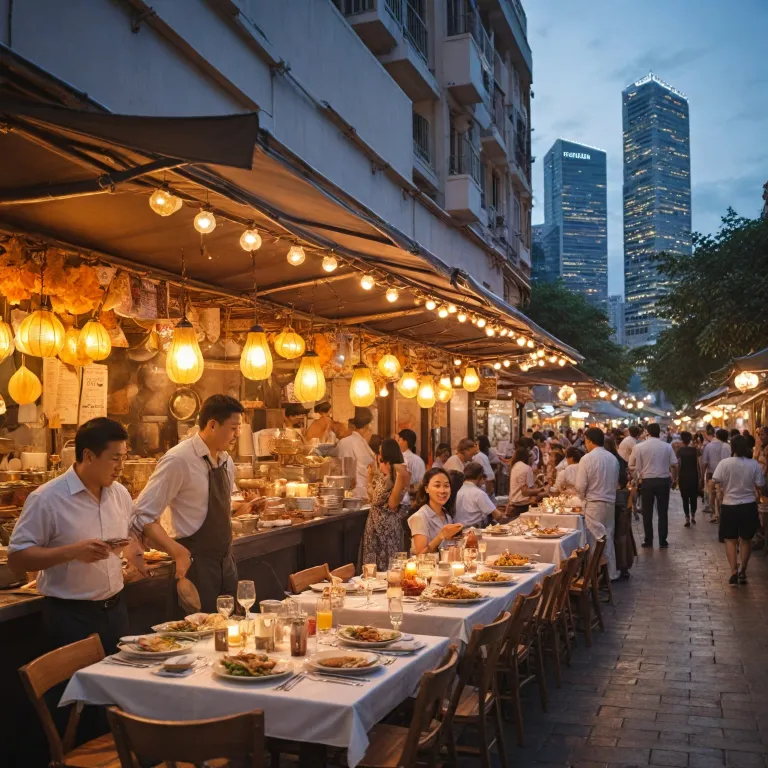
Gourmet food in Singapore from the vantage point of luxury hotels
Food in Singapore shapes how many travellers choose their hotel. Luxury properties now curate experiences where every dish connects you to the city’s multicultural heritage and refined service. Guests quickly realise that understanding Singapore food is as important as choosing the right room category.
High end concierges routinely map the nearest hawker centre and the finest restaurants Singapore can offer. They help you balance polished hotel dining with street food adventures, often planning routes from your lobby to the closest MRT station for effortless access. This blend of convenience and culinary depth makes premium stays a powerful gateway to the best food in Singapore.
Within these hotels, chefs reinterpret classics such as chicken rice, chili crab and char kway teow with seasonal produce and elegant plating. Menus highlight fragrant rice, wok fried noodles and slow simmered bak kut teh, while still respecting the flavours you will later taste at a hawker centre Singapore locals love. For many guests, this creates a gentle introduction before they explore busier food centre environments.
Because travellers often arrive after long flights, reliable open hours and clear daily prices in SGD matter. Luxury concierges maintain updated lists of food centre options that operate twenty four hours daily or late into the night. They also flag coffee shop clusters and coffee focused venues where you can eat light dishes, sip kopi and adjust to the city’s rhythm.
Planning a culinary led stay near Singapore’s key food districts
Choosing a hotel address in Singapore with food in mind can transform your stay. Many premium properties sit within walking distance of at least one major hawker centre or heritage food street. This proximity lets you move easily between refined hotel restaurants Singapore guests adore and bustling local venues.
When evaluating locations, study how close you are to an MRT station that links directly to famous food centre hubs. Areas such as Tiong Bahru, Chinatown and Bugis offer dense clusters of hawker stalls, coffee shop corners and modern eateries. From a luxury base, you can reach these neighbourhoods in minutes, then return to calm surroundings after your street food explorations.
Some hotels now build curated maps that highlight where to eat the best chicken rice, chili crab, nasi lemak and Hokkien mee within a short ride. These guides often include estimated prices in SGD, typical open hours and whether stalls operate seven hours daily or much longer. They also note which food centre Singapore residents frequent for specific dishes, such as smoky char kway teow or peppery bak kut teh.
Families planning multi generational trips can pair these maps with inspiration from carefully selected luxury hotels for families. This approach ensures that grandparents, parents and children all have easy access to both hotel comforts and authentic Singapore food. It also helps you schedule meals around pool time, spa bookings and evening city walks.
From hotel breakfast to hawker centre feasts
Breakfast in a luxury hotel often provides your first structured encounter with food in Singapore. Buffets and à la carte menus showcase local staples such as kaya toast, soft boiled eggs and aromatic coffee alongside international favourites. This gentle introduction prepares you for bolder flavours at a nearby hawker centre later in the day.
Many hotels now feature live stations where chefs assemble chicken rice, fry noodles or prepare delicate rice porridge to order. Guests can taste elements of iconic dishes like chili crab sauce on omelettes or sample pork filled dumplings beside fresh fruit. These touches encourage you to ask staff for recommendations on where to eat the best full versions of these dishes outside.
Once you step into a hawker centre Singapore residents love, the contrast with hotel calm feels energising. Stalls specialise in single dishes, from nasi lemak with coconut rice to smoky char kway teow and rich bak kut teh. You will also find Hokkien mee, kway teow soups, fried carrot cake and countless rice or noodle combinations at very accessible daily prices.
Most hawker venues post clear prices in SGD and maintain predictable open hours, though not always twenty four hours daily. Look for tables near fans, share space with locals and order coffee or tea from the drinks stall to complete the experience. This rhythm between hotel serenity and hawker bustle becomes one of the defining pleasures of exploring Singapore food.
Signature Singapore dishes every luxury traveller should try
Understanding the essential dishes of food in Singapore helps you plan meaningful meals. Hainanese chicken rice is often described as the national dish, pairing tender poached chicken with fragrant rice and a trio of sauces. You will encounter it in hotel cafés, hawker stalls and restaurants Singapore wide, each version reflecting a slightly different heritage.
Chili crab is another emblematic Singapore food experience, usually enjoyed at waterfront restaurants or lively neighbourhood eateries. The crab is stir fried in a thick, sweet spicy chili sauce, then served with fried buns for dipping. Many luxury concierges can secure reservations at popular spots where both chili crab and black pepper crab are house specialities.
Beyond these icons, do not miss smoky char kway teow, prawn rich Hokkien mee and herbal bak kut teh made with pork ribs. Nasi lemak offers coconut rice with sambal chili, fried fish or chicken and crunchy peanuts, while kway teow soups provide comfort on rainy evenings. Each dish tells a story about migration, trade and the multicultural layers that define food in Singapore.
Street food culture thrives in every district, from the historic lanes near Sungei Road to modern food centre complexes. You will find coffee shop clusters where locals gather for kopi, toast and simple rice or noodle dishes before work. Balancing these casual meals with refined hotel dining allows you to appreciate the full spectrum of flavours that shape the city.
How luxury hotels curate safe, authentic food adventures
For many guests, trust and safety are central when exploring food in Singapore. Luxury hotels work closely with the Singapore Food Agency and reputable partners to recommend venues that meet strict hygiene standards. This collaboration reassures travellers who are new to hawker environments or concerned about trying unfamiliar dishes.
Concierges often maintain updated lists of hawker centre options, coffee shop clusters and restaurants Singapore visitors can enjoy with confidence. They note which stalls are especially popular, what time they usually open and how to reach them from the nearest MRT station. This level of detail, including approximate prices in SGD and typical hours daily, helps you plan without anxiety.
Digital tools also play a growing role, with many F&B establishments using QR code menus and cashless payment systems. Hotels explain how to navigate these platforms, order chili crab, chicken rice or Hokkien mee and track your spending against daily prices. This guidance is particularly helpful for families or older travellers who may be less familiar with mobile ordering.
As one official explanation notes, “Hawker culture represents Singapore's multicultural society and was inscribed as a UNESCO Intangible Cultural Heritage in 2020.” This recognition underscores why hotels encourage guests to eat at least one meal in a traditional food centre Singapore residents cherish. By combining curated advice with personal curiosity, you can enjoy Singapore food with both confidence and genuine cultural connection.
Designing a day of eating around Singapore’s transport and neighbourhoods
Thoughtful planning lets you experience food in Singapore without feeling rushed. Start your morning with a light hotel breakfast, then take the MRT station nearest your address to a historic district. From there, you can walk between a hawker centre, a coffee shop and a modern café while observing daily life.
One effective pattern is to focus each day on a different cluster of Singapore food experiences. For example, you might explore Sungei Road and its surroundings for vintage shops, then eat at a nearby food centre for char kway teow and nasi lemak. Later, return to your luxury hotel for a refined dinner featuring chili crab or a contemporary take on bak kut teh.
Pay attention to open hours, as some stalls operate only for breakfast and lunch while others serve dinner. Hotels can provide printed or digital guides that list typical hours daily, signature dishes and indicative prices in SGD for each stop. This information helps you avoid disappointment when a famous chicken rice or Hokkien mee stall sells out early.
Between meals, pause at a coffee shop to rest, drink kopi and watch how locals interact over simple rice or noodle dishes. This slower rhythm contrasts with the polished efficiency of hotel lounges yet feels equally integral to food in Singapore. By the end of your stay, you will have woven a personal map that links flavours, streets and memories across the city.
Emerging trends shaping premium food experiences in Singapore hotels
Luxury hotels increasingly respond to new trends that influence food in Singapore. Plant based menus now sit alongside classics like chicken rice, chili crab and pork based bak kut teh, giving more guests inclusive options. Chefs reinterpret Hokkien mee, kway teow and other noodle dishes with seasonal vegetables while preserving the smoky, wok fried character.
Sustainability also shapes how hotels and restaurants Singapore wide source seafood, rice and fresh produce. Many properties highlight suppliers on their menus, explaining how responsible choices still deliver the bold flavours that define Singapore food. Guests can then compare these refined plates with the same dishes at a hawker centre or neighbourhood coffee shop.
Technology continues to streamline the experience, from digital room service menus to QR based ordering at nearby food centre venues. Hotels help guests understand how to check daily prices, confirm open hours and navigate cashless payment systems in SGD. This support makes it easier to enjoy street food without worrying about small notes or language barriers.
For travellers who plan entire itineraries around food in Singapore, premium hotels now offer themed stays and curated tasting routes. These may include guided visits to Sungei Road markets, hawker tours focused on char kway teow or nasi lemak and masterclasses on chili sauces. By aligning comfort, expertise and local partnerships, luxury properties become ideal bases for exploring every layer of the city’s cuisine.
Key statistics about food in Singapore
- Average annual household spending on food in Singapore is about 10 200 SGD.
- Households allocate roughly 23 % of their disposable income to food related expenses.
- Residents dine out frequently, averaging around 8.5 meals outside the home each week.
- Chinese cuisine remains the most popular, with about 35 % of households consuming it weekly.
- Per person yearly consumption includes approximately 36 kg of chicken and 22 kg of pork.
- Singapore’s F&B sector contributes about 20.1 billion SGD to the national economy.
- There are more than 16 500 F&B establishments, with around 78 % using digital ordering systems.
Questions about food in Singapore
What are some must try dishes in Singapore ?
Some must-try dishes include Hainanese chicken rice, chili crab, laksa, char kway teow, and satay.
Are hawker centres safe to eat at ?
Yes, hawker centers in Singapore maintain high food safety standards through regular government health inspections.
What is the significance of hawker culture in Singapore ?
Hawker culture represents Singapore's multicultural society and was inscribed as a UNESCO Intangible Cultural Heritage in 2020.