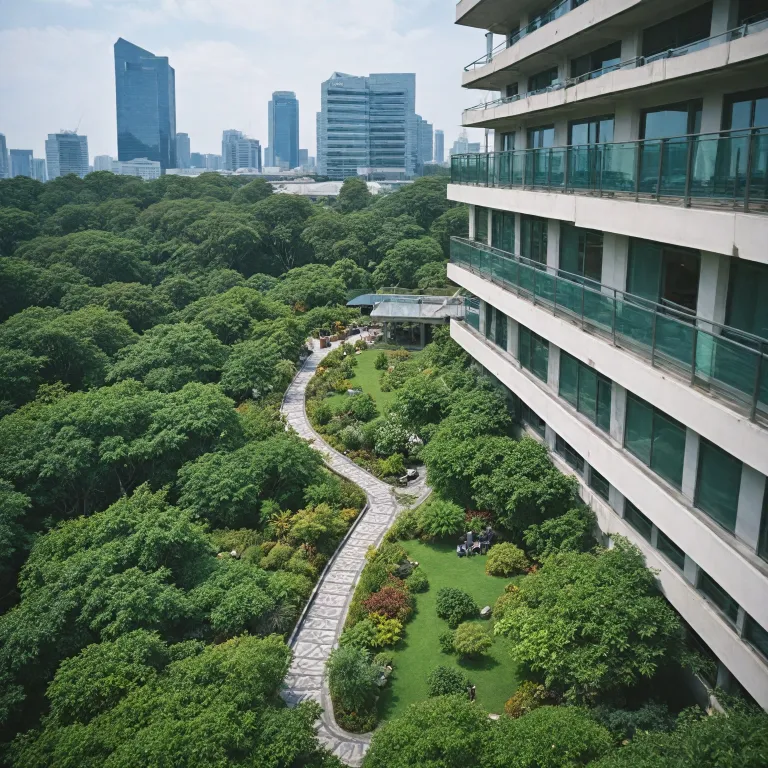
Innovative waste management shaping luxury hotels in Singapore
Singapore’s luxury and premium hotels are redefining sustainability by integrating advanced waste management practices into their daily operations. These hotels are not only committed to providing exceptional guest experiences but also to reducing their environmental footprint through innovative solutions. The focus on sustainable waste management practices is evident in the way hotels in Singapore handle food, energy, and water resources, ensuring that every aspect of their operations aligns with eco-friendly principles.
Mandarin Oriental Singapore, located near Marina Bay, exemplifies this commitment by operating an aerobic food digester that treats up to 20 tonnes of food waste monthly. Grand Hyatt Singapore has pioneered an in-house waste management plant, converting up to 1,000 kg of daily food waste into organic fertilizers. These initiatives highlight the dedication of hotels in Singapore to sustainable practices, setting new standards for the hospitality industry. Guests seeking green hotels in Singapore can now choose accommodations that prioritize sustainability without compromising on luxury.
Hotels in Singapore are also investing in energy efficient systems, such as smart air conditioning and water conservation technologies. These efforts contribute to the city’s goal of achieving net-zero emissions by 2050, as outlined in the Hotel Sustainability Roadmap. By integrating sustainability into their core values, hotels in Singapore are positioning themselves as leaders in environmental stewardship, attracting eco-conscious travelers from around the world.
Food waste reduction and urban farming: A new standard for premium stays
Reducing food waste is a central pillar of sustainable waste management in Singapore’s premium hotels. The Sofitel Singapore Sentosa Resort & Spa has installed a smart food waste tracking system, resulting in a 2% reduction in food waste. This technology allows hotels to monitor and optimize their food preparation processes, ensuring that resources are used efficiently and waste is minimized. The adoption of AI-powered food waste management solutions is becoming increasingly common among hotels in Singapore, further enhancing their sustainability credentials.
Urban farms and farm-to-table concepts are also gaining traction in the city’s luxury hotels. The PARKROYAL COLLECTION Marina Bay features an urban farm that supplies fresh produce directly to its restaurants, reducing the need for transportation and supporting local agriculture. This approach not only reduces food waste but also promotes a sustainable food ecosystem within the hotel. Guests can enjoy meals made from locally sourced ingredients, knowing that their choices support both environmental and community well-being.
Hotels in Singapore are also working to reduce single plastic use and promote green mark certifications. By eliminating unnecessary packaging and adopting reusable alternatives, these hotels are making significant strides toward a more sustainable future. For travelers seeking eco friendly accommodations, the commitment of hotels in Singapore to green practices is a compelling reason to book their next stay in the city. For more insights on sustainable travel options, explore our comprehensive guide to eco-friendly hotels in Singapore.
Energy efficiency and water conservation: Essential pillars of green hotels
Energy efficiency is at the heart of sustainable waste management practices in Singapore’s luxury hotels. Many properties, including the renowned Pan Pacific and Marina Bay Sands, have invested in state-of-the-art energy efficient systems. These include advanced air conditioning technologies, LED lighting, and smart building management systems that optimize energy use throughout the hotel. Such measures not only reduce operational costs but also contribute to the overall sustainability of hotels in Singapore.
Water conservation is another critical focus area for green hotels. Hotels in Singapore implement water-saving fixtures, rainwater harvesting systems, and greywater recycling to minimize their water footprint. These initiatives are particularly important in a city-state where water resources are carefully managed. By adopting these practices, hotels in Singapore demonstrate their commitment to sustainability and provide guests with the assurance that their stay supports responsible water use.
Hotels resorts in Singapore are also exploring partnerships with local organizations to further enhance their sustainability efforts. The collaboration between hotels and the Singapore Tourism Board, as well as the Singapore Hotel Association, has led to the development of industry-wide standards for sustainable waste management. For travelers interested in learning more about these initiatives, our in-depth analysis of Singapore’s hotel sustainability roadmap offers valuable information.
Guest engagement and the role of sustainability certifications
Engaging guests in sustainability initiatives is a key strategy for hotels in Singapore with sustainable waste management practices. Many hotels offer programs that encourage guests to participate in waste reduction efforts, such as opting out of daily linen changes or supporting local food sourcing. These initiatives not only reduce the hotel’s environmental impact but also empower guests to make eco friendly choices during their stay.
Sustainability certifications, such as the Singapore Green Hotel Award and green mark, serve as important indicators of a hotel’s commitment to environmental responsibility. The PARKROYAL COLLECTION Marina Bay, for example, has attained three sustainability certifications, reflecting its leadership in green practices. Guests can look for these certifications when booking hotels in Singapore to ensure they are supporting properties that prioritize sustainability.
Hotels in Singapore also provide educational materials and workshops on topics such as food waste reduction, energy conservation, and sustainable travel. These efforts help raise awareness among guests and foster a culture of sustainability within the hospitality industry. For those planning a trip to Singapore, choosing a hotel with recognized sustainability certifications is a meaningful way to contribute to the city’s green future.
Technology and innovation driving sustainable hotel operations
The integration of technology is transforming the way hotels in Singapore manage waste and resources. Aerobic food digesters, in-house waste management plants, and smart tracking systems are now standard features in many luxury hotels. These tools enable hotels to convert food waste into reusable resources, such as organic fertilizers, and to monitor waste generation in real time.
Innovation extends beyond waste management to include energy and water efficiency. Hotels in Singapore are adopting AI-powered solutions to optimize energy use, reduce food waste, and enhance overall sustainability. The use of smart sensors and data analytics allows hotels to identify areas for improvement and implement targeted strategies to reduce their environmental impact.
Collaboration with industry partners, such as the Singapore Tourism Board and Singapore Hotel Association, has been instrumental in driving innovation across the sector. The Hotel Sustainability Roadmap provides a clear framework for hotels to follow, ensuring that sustainability remains a top priority. As a result, hotels in Singapore are setting new benchmarks for eco friendly hospitality, inspiring other destinations to follow suit.
Future outlook: Singapore’s leadership in sustainable hospitality
Singapore’s commitment to sustainability is positioning the city as a global leader in eco friendly hospitality. The ongoing efforts of hotels in Singapore to implement sustainable waste management practices are yielding tangible results, including significant reductions in food waste and carbon emissions. As more hotels adopt green technologies and practices, the city’s reputation as a destination for responsible travel continues to grow.
Guests can expect to see even greater emphasis on sustainability in the coming years, with hotels investing in new technologies and expanding their green initiatives. The goal of achieving net-zero emissions by 2050 is driving innovation and collaboration across the industry. By choosing hotels in Singapore with sustainable waste management practices, travelers play an active role in supporting the city’s environmental goals.
As one expert notes, “Hotels such as Mandarin Oriental Singapore, Grand Hyatt Singapore, and Sofitel Singapore Sentosa Resort & Spa have implemented sustainable waste management practices.” Another adds, “Hotels use methods like aerobic food digesters, in-house waste management plants, and smart food waste tracking systems to manage food waste sustainably.” The Hotel Sustainability Roadmap, launched by the Singapore Tourism Board and Singapore Hotel Association, “sets targets and strategies for hotels to adopt sustainability practices, aiming for net-zero emissions by 2050.”
Key statistics: Sustainable waste management in Singapore hotels
- Food waste treated monthly by Mandarin Oriental Singapore’s aerobic food digester: 20 tonnes
- Daily food waste converted by Grand Hyatt Singapore’s in-house waste management plant: 1,000 kg
- Reduction in food waste achieved by Sofitel Singapore Sentosa Resort & Spa using smart tracking system: 2%
Frequently asked questions about sustainable waste management in Singapore hotels
What are some hotels in Singapore with sustainable waste management practices?
Hotels such as Mandarin Oriental Singapore, Grand Hyatt Singapore, and Sofitel Singapore Sentosa Resort & Spa have implemented sustainable waste management practices.
How do hotels in Singapore manage food waste sustainably?
Hotels use methods like aerobic food digesters, in-house waste management plants, and smart food waste tracking systems to manage food waste sustainably.
What is the Hotel Sustainability Roadmap in Singapore?
Launched by the Singapore Tourism Board and Singapore Hotel Association, the roadmap sets targets and strategies for hotels to adopt sustainability practices, aiming for net-zero emissions by 2050.
Sources: Singapore Tourism Board, Singapore Hotel Association, MICHELIN Guide Singapore.